How Cupping Therapy Relieves Headache and Migraine Pain
When a pounding headache strikes, the underlying cause is rarely just inside your head. More often, it stems from a cascade of vascular constriction, neuromuscular tension, and compressed cranial nerves. Cupping therapy addresses these root triggers by applying localized negative pressure—drawing tissue upward rather than pushing down like conventional massage.
This lifting action creates microcirculation beneath the cup, causing local capillary dilation. As micro-vessels expand, stagnant blood and cellular metabolic by-products are drawn toward the skin surface, stimulating fresh, oxygen-rich blood to flood ischemic tissues. Simultaneously, gentle rhythmic suction stimulates cutaneous mechanoreceptors, sending soothing sensory signals that inhibit pain transmission through the spinal cord and activate the parasympathetic nervous system.
| Headache Type | Primary Physiological Triggers | Cupping Mechanism of Action | Key Target Areas |
|---|---|---|---|
| Tension-Type Headaches | Sustained muscle contraction, forward head posture, ischemic trigger points | Decompresses tight fascia, enhances localized microcirculation, relaxes paraspinal muscles | Upper trapezius, levator scapulae, C7 vertebra, suboccipital region |
| Migraines (Without Aura) | Neurovascular inflammation, trigeminovascular activation, central sensitization | Decompresses occipital/trigeminal nerve pathways, down-regulates sympathetic stress, stimulates heme oxygenase-1 | Interscapular region (T1–T3), C7, occipital ridge, temple points (Taiyang) |
Neurological Mechanisms and Nerve Decompression
Cranial nerves are remarkably sensitive. The greater and lesser occipital nerves weave directly through the dense musculature at the base of your skull. When chronic stress or screen fatigue causes the suboccipital muscles to clench, these nerves become mechanically compressed, sending sharp, radiating pain over the scalp toward the forehead and behind the eyes.
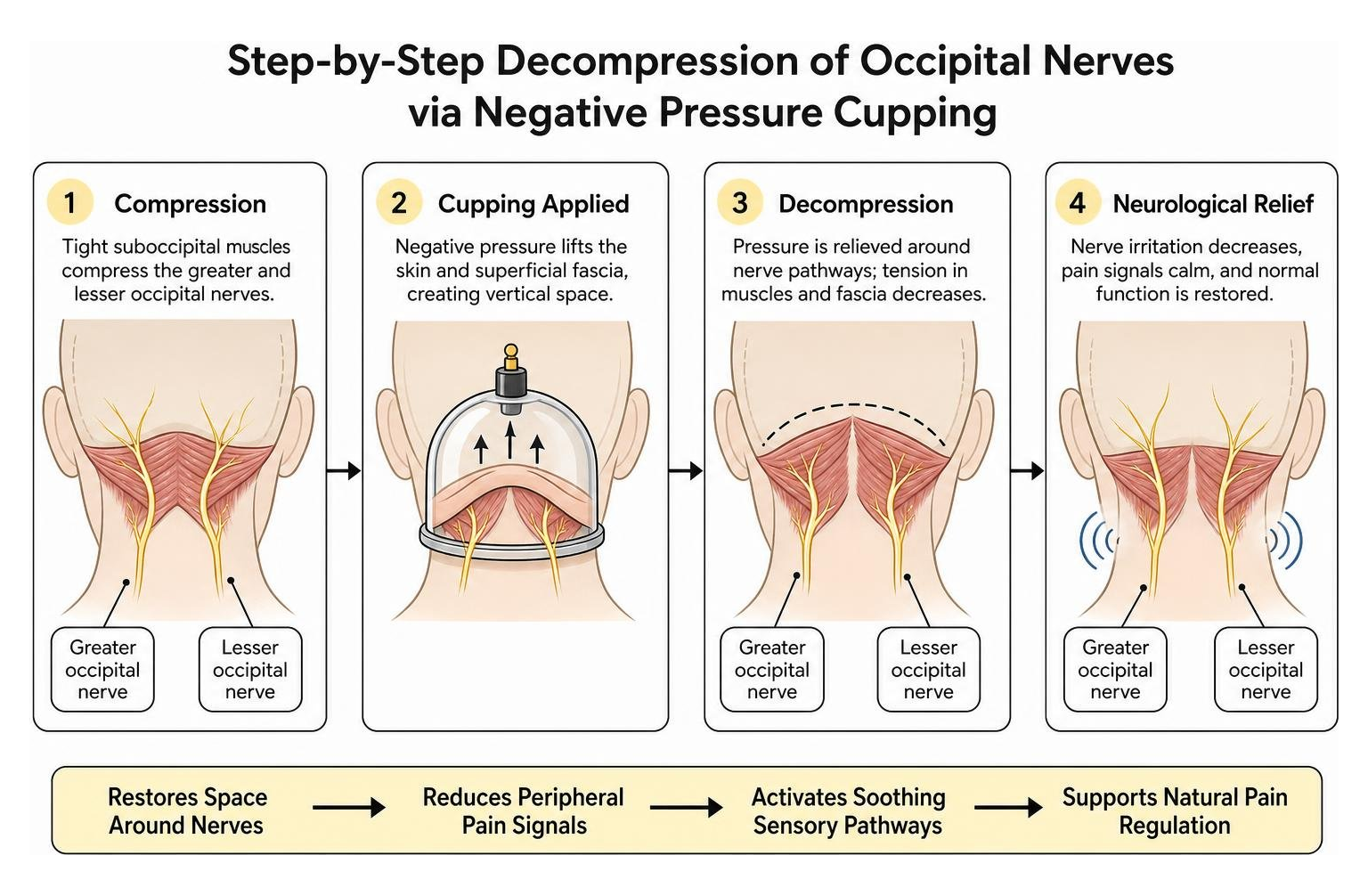
Cupping acts as a physical decompressor. By lifting the skin and superficial fascia, suction creates vertical space around irritated nerve roots. This suboccipital release halts peripheral nociceptive signaling while stimulating A-beta sensory nerve fibers. In turn, your brain releases natural endorphins and down-regulates pain perception across the trigeminovascular system, preventing acute episodes from spiraling into debilitating chronic migraines.
Fascial Release and Blood Circulation
Sedentary desk work and forward head posture force the upper trapezius, rhomboids, and cervical spine into a relentless tug-of-war. Over time, poor circulation starves muscle fibers of oxygen, forming taut bands known as ischemic trigger points. These stubborn knots refer sharp, throbbing pain straight into the temples and brow.
By mobilizing soft tissue via suction, cupping restores fluid dynamics within bound myofascial layers. The mechanical stretch flushes away accumulated inflammatory mediators—such as substance P, prostaglandins, and lactic acid—while bathing oxygen-deprived muscles in nutrient-rich blood. At Lang Ocean Spa Thai Bodywork, integrating cupping with traditional bodywork creates a powerful foundation for ongoing wellness and healing, restoring healthy posture and tension-free movement.
Types of Cupping for Headaches and Which Works Best
Not all cupping techniques are identical. Depending on your symptoms, pain sensitivity, and health goals, practitioners utilize different variations of suction therapy to target head pain.
Dry Cupping for Headaches and Muscle Tension
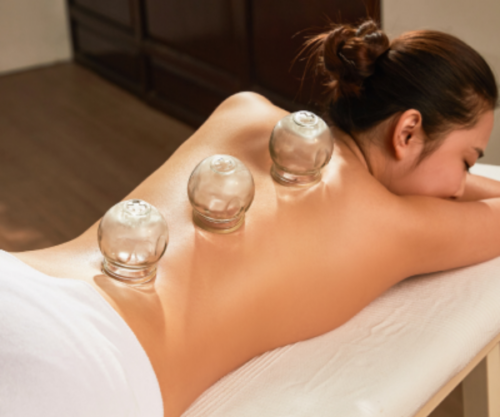
Dry cupping is the most widely practiced, non-invasive method used in restorative bodywork and day spas. Using specialized silicone, glass, or pneumatic plastic cups, a vacuum is created using a handheld pump or gentle squeeze mechanism.
Practitioners utilize two primary styles of dry cupping:
- Static Cupping: Cups remain stationary over designated trigger points along the upper shoulders, neck, and upper back for 5 to 15 minutes to break up stubborn muscle knots.
- Dynamic (Gliding) Cupping: After applying nourishing massage oil to the skin, cups are gently moved along the muscle meridians of the neck, trapezius, and spine. This combines negative pressure with broad myofascial release.
Dry cupping is exceptionally effective for relieving tension-type headaches, physical fatigue, and stress-related stiffness. Discovering how regular spa visits can improve your life through modalities like dry cupping is one of the easiest ways to keep chronic head and neck pain from returning.
Wet Cupping Therapy Protocols
Wet cupping, historically known as Hijama, is a specialized clinical procedure performed primarily in outpatient medical settings. After initial dry suction, the practitioner makes tiny, superficial micro-incisions on the skin before reapplying suction to draw out small amounts of capillary blood.
In clinical trials evaluating chronic vascular headaches, wet cupping has shown strong efficacy in reducing pain intensity by addressing deep-seated blood stasis and metabolic inflammation. A landmark study published in the Istanbul Medical Journal provided a detailed prophylactic medical and wet cupping comparison, showing that wet cupping provided faster and more sustained improvements in migraine attack frequency and associated anxiety compared to standard drug therapy.
Fire Cupping and Thermal Dynamics
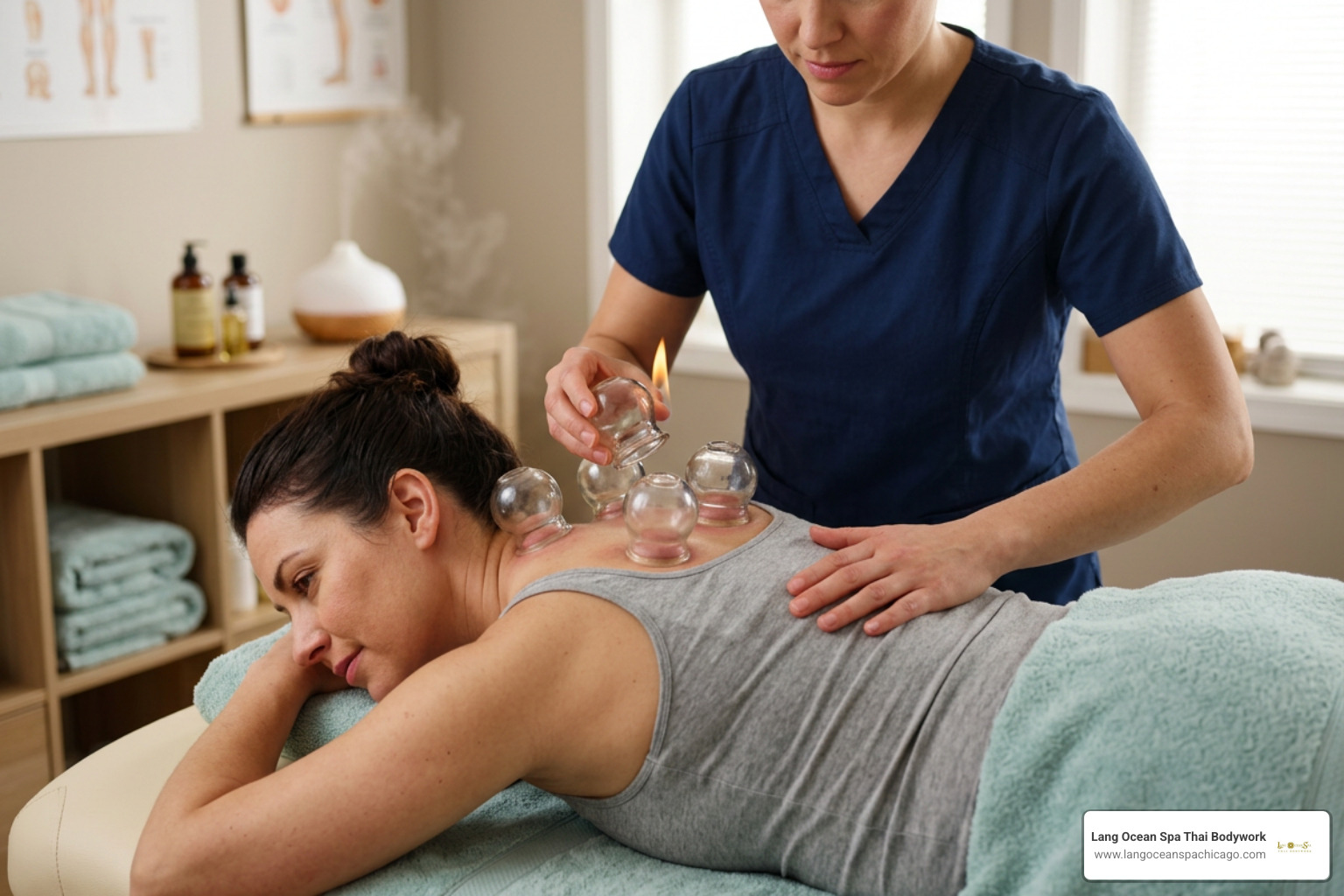
Fire cupping is a traditional healing art that utilizes thick glass cups. The practitioner briefly introduces a small flame inside the cup to consume the oxygen, creating an immediate thermal vacuum before placing it swiftly onto the skin.
As the air inside cools, it produces a smooth, consistent negative pressure that penetrates deeply into rigid tissue layers. The gentle ambient warmth relaxes superficial capillaries and softens rigid connective tissue, making fire cupping a deeply soothing option for stubborn, cold-weather muscle tightness and stress-induced tension headaches.
What the Latest Clinical Research Says About Efficacy and Safety
Over the past few years, rigorous scientific investigations have shed light on the exact therapeutic power and biological mechanisms of cupping therapy for neurological head pain.
A comprehensive systematic review and meta-analysis of clinical trials pooled data from 18 clinical studies involving 1,446 participants (60% female, average age 31.7 to 42.5 years with migraine histories up to 9.2 years). The researchers discovered that patients receiving cupping therapy experienced an 83% improvement in overall headache symptoms compared to control groups, alongside a significant standardized mean difference (SMD) in pain reduction of 0.55 (95% CI: 0.39–0.70).
Further supporting evidence from a PRISMA-compliant meta-analysis of randomized controlled trials demonstrated that combining cupping with complementary modalities like acupuncture reduced Visual Analog Scale (VAS) headache pain scores by an average of 2.29 points and sped up complete symptom recovery compared to single-modality care.
Pain Reduction Versus Quality of Life Outcomes
While clinical trials confirm that cupping significantly diminishes acute headache intensity, researchers have uncovered an interesting clinical nuance regarding long-term quality-of-life metrics.
In an outpatient nonpharmacological strategy study, cupping therapy produced an immediate 3.63-point drop on the Visual Analog Scale (falling from an average baseline of 6.75 down to 3.12), while severe headache prevalence plunged from 56.2% to just 6.2%.
However, broader meta-analyses note that while acute pain scores (VAS) drop dramatically, generalized migraine disability scores—measured by the Migraine Disability Assessment (MIDAS) tool—do not always show an equivalent long-term statistical shift (MIDAS SMD: –0.79). This indicates that while cupping is an exceptionally potent tool for acute pain relief and attack management, sustainable long-term wellness requires consistent maintenance, posture correction, and holistic lifestyle habits.
Safety Profile, Side Effects, and Contraindications
One of the most compelling advantages of cupping therapy is its safety profile. Meta-analyses show that cupping is associated with a 75% lower risk of adverse events compared to standard pharmaceutical regimens like NSAIDs, triptans, or ergotamines, which carry risks of gastrointestinal distress and medication-overuse rebound headaches.
The most common side effect is temporary circular discoloration, or ecchymosis. These marks are not traumatic muscular bruises; rather, they are harmless collections of superficial capillary blood drawn to the surface, which typically fade naturally within 3 to 10 days. Mild, transient dizziness or slight skin tenderness may occasionally occur immediately following treatment.
Contraindications to keep in mind:
- Active skin infections, open wounds, eczema, or psoriasis at the treatment site
- Severe anemia, bleeding disorders (e.g., hemophilia), or current anticoagulant medication use
- Cardiovascular conditions, pacemakers, or active deep vein thrombosis (DVT)
- Pregnancy (especially over the abdomen and lower back)
- Injectables protocol: Always wait at least 30 days after receiving Botox, dermal fillers, or cortisone injections in the neck or craniofacial area before applying suction cups over those regions.
Clinical Protocols: Frequency, Preparation, and Combining Therapies
Achieving consistent, lasting relief from headaches requires a structured protocol tailored to whether your symptoms are acute or chronic.
Optimal Session Frequency and Aftercare Guidelines
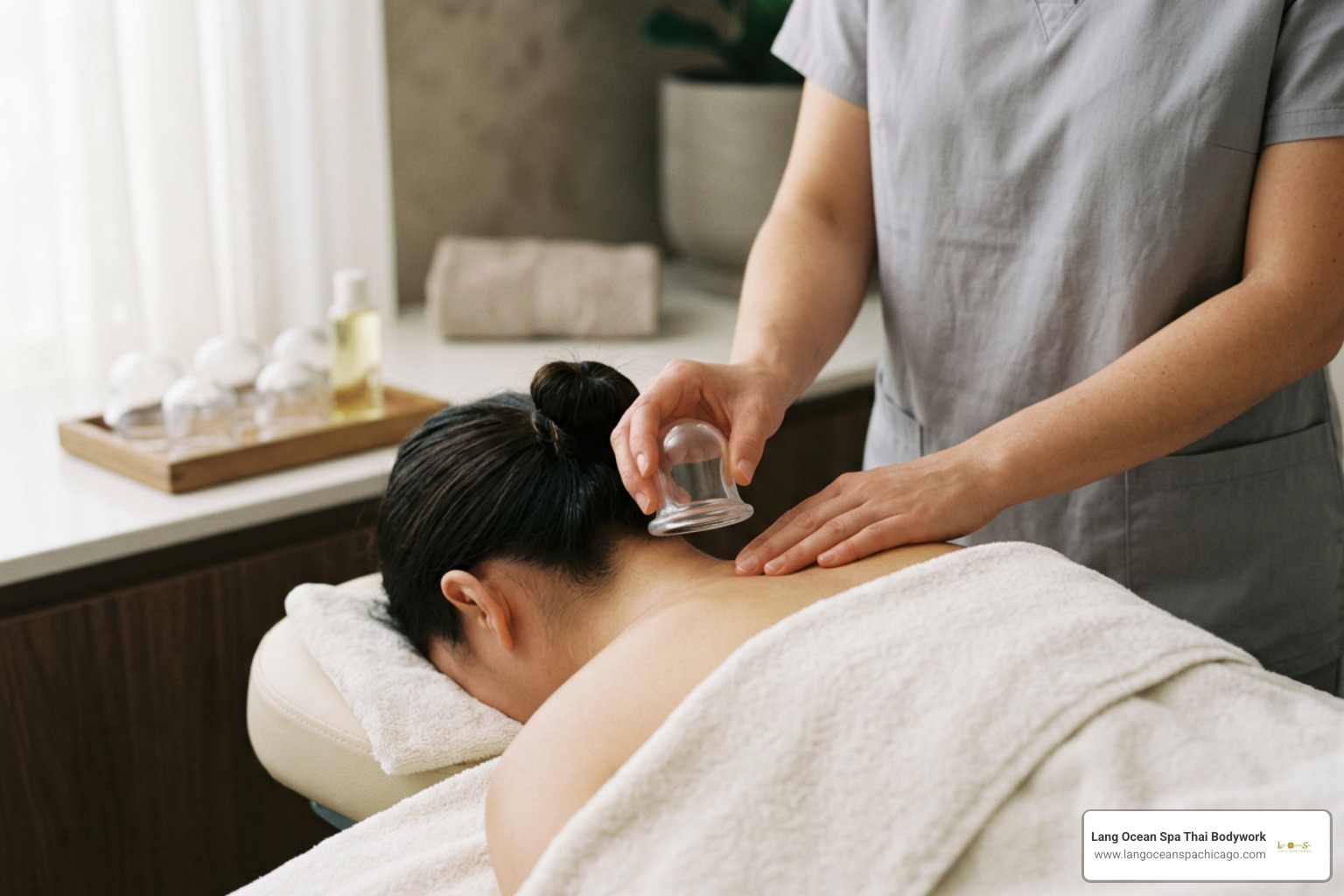
A standard cupping session for headaches typically lasts between 10 and 20 minutes, with 3 to 5 cups placed strategically along key cervical and upper-back zones.
- For Acute Tension Headaches: 1 to 2 sessions per week during flare-ups until muscle tension subsides.
- For Chronic Migraines: 1 session every 1 to 2 weeks for an initial 4- to 8-week period, transitioning to monthly preventative maintenance sessions.
Preparation and Aftercare Best Practices:
- Hydrate well: Drink plenty of water before and after your session to assist your lymphatic system in flushing metabolic waste.
- Avoid heavy stimulants: Refrain from consuming heavy meals, alcohol, or excessive caffeine for 2 to 3 hours prior to bodywork.
- Protect the skin: Avoid hot showers, saunas, cold drafts, and intense direct sunlight for at least 24 hours post-treatment.
- Rest: Allow your body to rest and avoid strenuous workouts for the remainder of the day. Embracing these essential self-care tips for making wellness a priority ensures your muscles retain the therapeutic benefits of decompression.
Integrating Cupping for Headaches with Massage and Bodywork
Cupping delivers exceptional results when integrated with traditional bodywork. At Lang Ocean Spa Thai Bodywork, our therapists often pair gliding cupping with targeted acupressure along classic head and neck meridians:
- GB20 (Fengchi): Located in the hollows at the base of the skull, clearing pressure behind the eyes.
- GV14 (Dazhui): Located below the spinous process of the C7 vertebra, easing upper back stiffness.
- EX-HN5 (Taiyang): Located at the temples, providing rapid decompression for throbbing migraine pain.
Combining deep passive stretching with targeted negative pressure suction relieves ischemic spasms faster than isolated therapies, helping you reduce reliance on over-the-counter analgesics.
Frequently Asked Questions About Cupping for Headaches
How quickly does cupping relieve headache pain?
Many clients report noticeable decompression and pain reduction immediately or within a few hours following their session. In clinical studies, over 70% to 80% of participants experienced significant relief within the first week of treatment. For chronic conditions, relief is cumulative over multiple structured sessions.
Is cupping safe for chronic migraine sufferers?
Yes. When performed by a trained bodywork professional, cupping is a gentle, drug-free therapy with a very low risk profile. It avoids the rebound headache cycles common with routine pain medication use. Clients should always complete a standard health intake to screen for contraindications.
Where are cups placed during a headache treatment?
Cups are rarely placed directly on the face during deep bodywork. Instead, practitioners target the root muscular attachments along the interscapular upper back (T1–T3), the base of the neck (C7 vertebra), the upper trapezius, and the suboccipital ridge along the base of the skull. Small, gentle facial cups may occasionally be applied across the temples or jaw for TMJ-related tension.
Conclusion
Chronic headaches and migraines do not have to dictate your daily routine. By combining time-tested holistic principles with validated modern clinical science, cupping therapy offers a safe, natural, and powerful way to release deep muscular constriction, decompress sensitive cranial nerves, and restore healthy blood flow.
Whether you are battling desk-induced tension headaches or recurring migraine attacks, our team at Lang Ocean Spa Thai Bodywork provides authentic, restorative treatments in a calm and welcoming setting across our Chicago locations in River North, Lincoln Park, and Streeterville. Take the first step toward lasting, drug-free comfort and explore therapeutic bodywork services tailored to your personal wellness goals today.