Is a Full Body Lymphatic Drainage Massage Worth It?
A full body lymphatic drainage massage may be worth considering if you have swelling from lymphedema and a clinician recommends it. It uses light, rhythmic skin movements to help move excess fluid. It may also feel relaxing, but there is little evidence that it “detoxes” healthy people, boosts immunity, or causes weight loss.
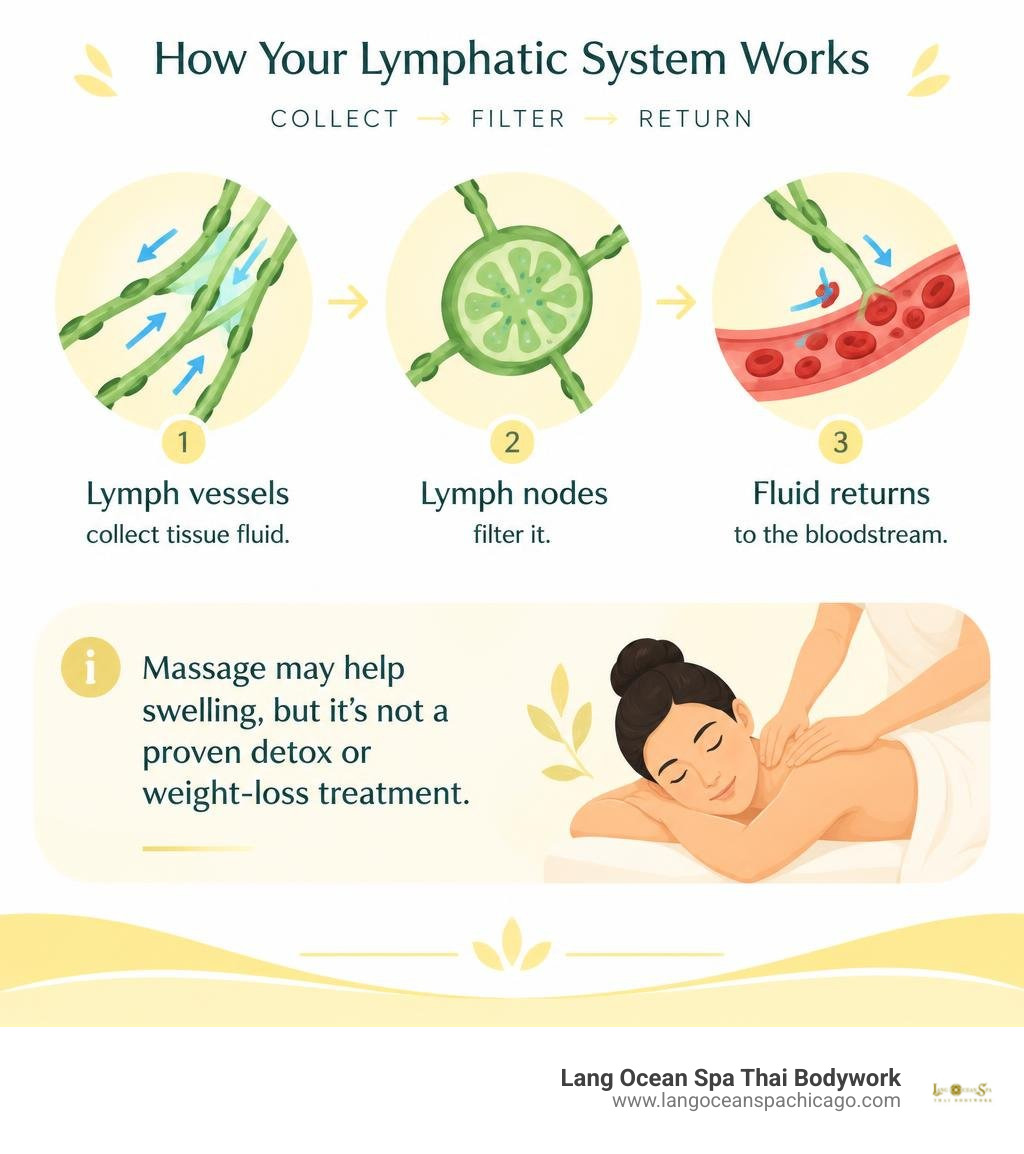
Your lymphatic system collects fluid from tissues, passes it through lymph nodes, and returns it to your bloodstream. When that flow is disrupted, fluid can build up. For medical swelling, lymphatic drainage is usually one part of a broader care plan, not a stand-alone fix.
I’m June Liu, founder of Lang Ocean Spa Thai Bodywork in Chicago, where I’ve helped clients make time for personalized bodywork and stress relief since 2016. That experience shapes my practical approach to full body lymphatic drainage massage: understand what it can do, what it cannot do, and when to ask a healthcare professional first.
Learn more about full body lymphatic drainage massage:
What Is a Full Body Lymphatic Drainage Massage and How Does It Work?
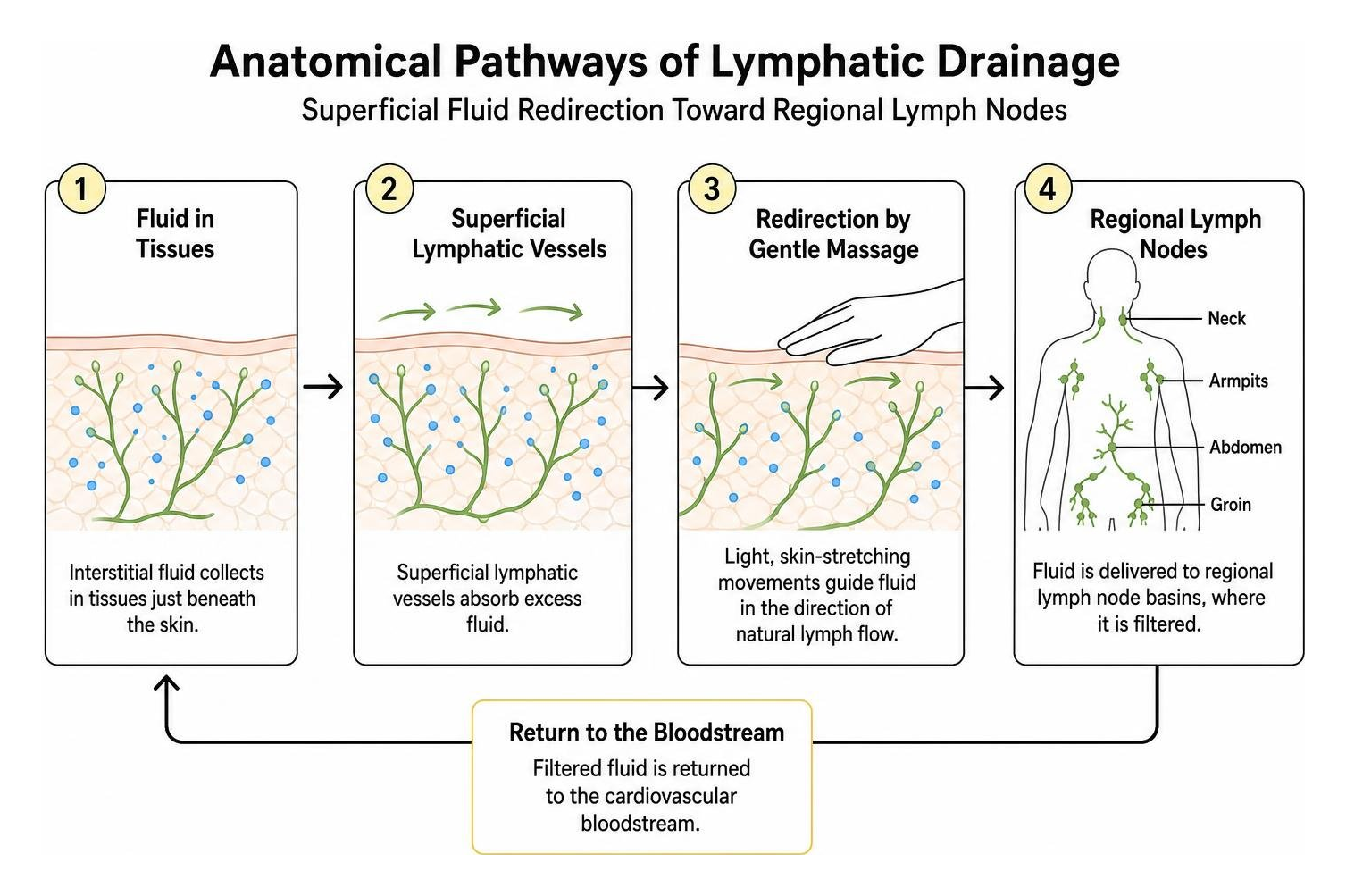
To understand how a lymphatic drainage massage works, it helps to look at the anatomy running just beneath your skin. Unlike your cardiovascular system, which relies on the muscular pumping action of your heart to circulate blood, your lymphatic network has no central pump. Instead, lymph fluid—a clear liquid carrying metabolic byproducts, cellular debris, proteins, and immune cells—relies on smooth muscle contractions within the vessel walls, deep diaphragmatic breathing, and everyday skeletal muscle movement to keep circulating.
When this system becomes sluggish due to injury, surgery, medical conditions, or prolonged inactivity, excess interstitial fluid pools in tissues, leading to visible swelling, heaviness, and puffiness.
A lymphatic drainage massage (often called Manual Lymphatic Drainage, or MLD) uses precise, skin-stretching hand motions to encourage superficial lymph capillaries to absorb this stagnant fluid. These tiny vessels lie directly beneath the surface of the skin. By applying extremely light traction in the specific anatomical direction of natural lymph flow, a practitioner guides trapped fluid toward healthy, functioning regional lymph node basins—such as those in the neck, armpits, abdomen, and groin—where the fluid is filtered and returned to the cardiovascular bloodstream.
| Characteristic | Lymphatic Drainage Massage | Traditional Thai Massage |
|---|---|---|
| Primary Goal | Move stagnant fluid and reduce swelling | Relieve muscle tension, open energy lines, improve mobility |
| Target Tissue | Superficial lymphatic vessels directly below the skin | Deep musculature, fascia, joints, and tendons |
| Applied Pressure | Extremely light (feather-touch skin stretch) | Moderate to deep (rhythmic compression, acupressure) |
| Techniques Used | Stationary circles, pumping, scooping, rotary strokes | Palm pressing, thumb pressure, passive yoga-like stretching |
| Sensory Feeling | Gentle, whisper-soft, rhythmic, deeply calming | Dynamic, invigorating, grounding |
| Session Pace | Very slow and measured | Flowing, rhythmic, and physically engaged |
If you are curious about deeper, muscle-focused bodywork, you can explore our detailed overview in A Comprehensive Guide to Thai Spa Massage Services.
How a Full Body Lymphatic Drainage Massage Differs from Traditional Thai Massage
Clients visiting our spa often ask if lymphatic drainage is just a lighter version of a standard massage. The truth is that the two modalities operate on completely different anatomical systems.
Traditional bodywork—such as authentic Thai massage—targets deep muscle bellies, connective fascia, and tight postural structures to release stubborn tension. It uses firm, rhythmic compressions, point work, and assisted stretching. In contrast, lymphatic drainage works at the very surface of the body. Because superficial lymphatic capillaries are delicate and easily flattened, firm pressure actually compresses these channels shut, halting the drainage process entirely.
Instead of working deep into muscle fibers, lymphatic massage creates a gentle mechanical stretch across the superficial skin layer. This light movement stimulates the microscopic flaps of initial lymphatic vessels, allowing pooled fluid to enter the system. At the same time, this slow, rhythmic pacing triggers the parasympathetic nervous system (your “rest-and-digest” state), which naturally lowers resting heart rate and promotes whole-body calm.
If your goal is resolving deep muscular aches or improving joint flexibility, learning how to find the best full body massage near you for structural relief will point you in the right direction.
The Four Primary Manual Lymphatic Drainage Techniques
In clinical and therapeutic bodywork, certified practitioners rely on four established MLD schools of thought:
- The Vodder Method: Developed in the 1930s by Dr. Emil Vodder, this foundational technique uses rhythmic, circular skin stretches—including stationary circles, rotary strokes, and scoop motions—to encourage fluid transport without irritating sensitive tissues.
- The Foldi Technique: Built upon Vodder’s foundation by physicians Michael and Etelka Foldi, this method integrates gentle rhythmic strokes with complete decongestive protocols, alternating between fluid mobilization and relaxation phases.
- The Casley-Smith Approach: Developed in Australia, this variation emphasizes gentle, slow effleurage strokes using the sides and flats of the hands to create pressure differentials that move fluid along deeper lymphatic trunks.
- The Leduc Method: Based on clinical physiological research, this approach uses specialized “call” (evacuation) strokes to clear central lymph node pathways first, followed by “resorption” strokes that guide peripheral tissue fluid into the newly opened channels.
Medical vs. Wellness Benefits: Separating Fact from Fiction
Because lymphatic drainage has gained massive popularity on social media, it is essential to distinguish between clinically verified therapeutic benefits and common wellness exaggerations. You can explore how targeted bodywork supports restorative balance in our guide to wellness and healing.
Proven Medical Applications and Post-Surgical Recovery
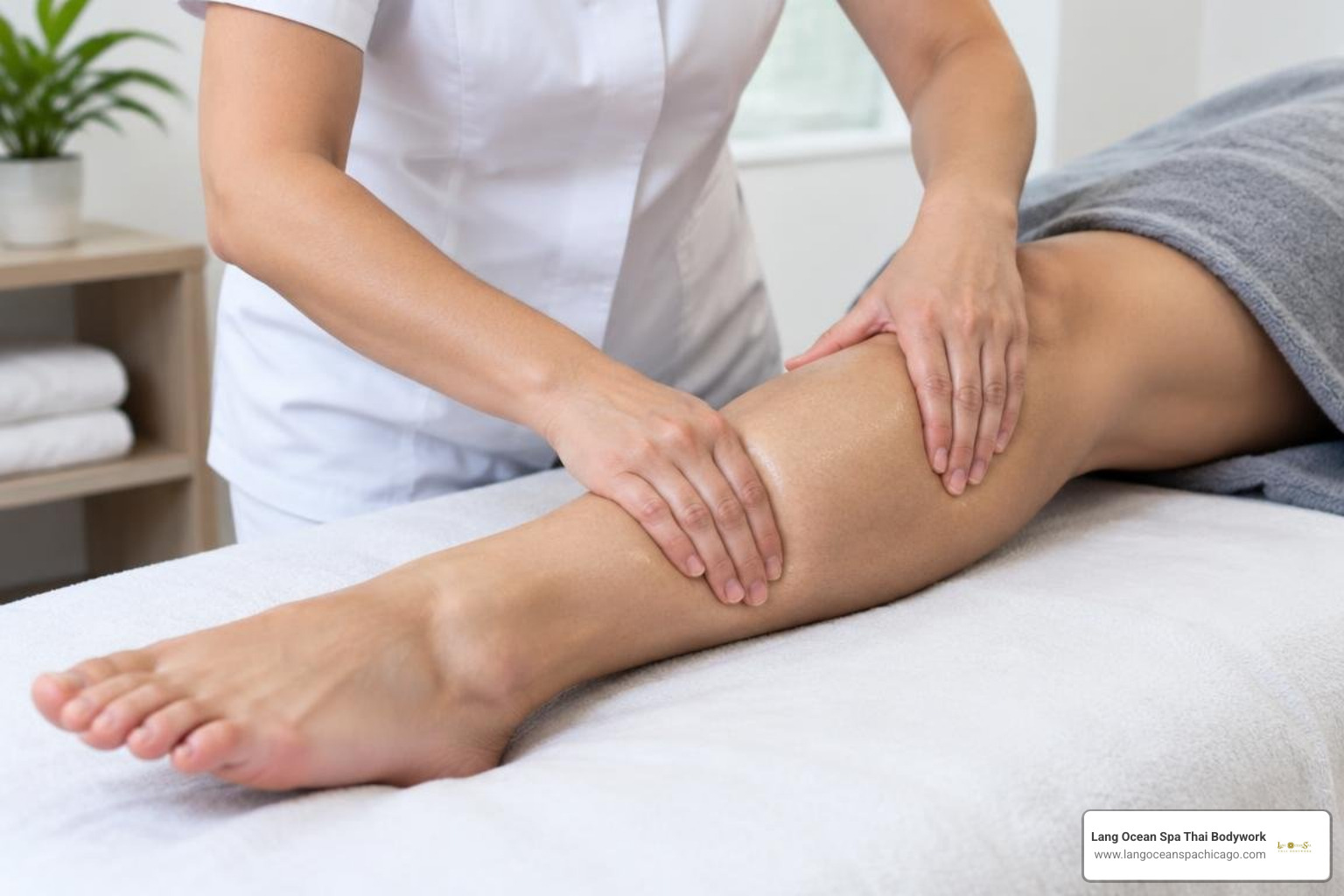
Manual Lymphatic Drainage is an established, evidence-based therapy for specific medical and post-operative conditions:
- Lymphedema Management: For individuals managing lymphedema—particularly following breast cancer surgery where axillary lymph nodes were removed or damaged by radiation—MLD is a cornerstone of Complete Decongestive Therapy (CDT). CDT combines manual drainage, multi-layer compression bandaging, meticulous skin care, and therapeutic exercises to manage limb volume and prevent complications.
- Chronic Venous Insufficiency (CVI): When leg veins struggle to pump blood efficiently back to the heart, fluid pools in the lower legs. MLD assists in routing this excess interstitial fluid away from the ankles and calves, easing feelings of heaviness.
- Inflammatory & Autoimmune Conditions: Patients dealing with rheumatoid arthritis, fibromyalgia, and lipedema frequently experience symptom relief, as gentle fluid mobilization helps reduce localized tissue congestion and eases associated aches.
- Post-Surgical Healing: After major cosmetic or reconstructive procedures (such as liposuction, abdominoplasty, facelifts, or breast augmentation), the body’s natural lymph channels experience trauma. Carefully applied post-operative drainage can significantly reduce persistent swelling, accelerate healing, and minimize the risk of subcutaneous fluid pockets (seromas) and tissue fibrosis. For post-operative recovery, medical guidelines generally recommend waiting at least 4 to 6 weeks after minor procedures, and 6 or more weeks after extensive surgeries, ensuring proper clearance from your surgeon.
Debunking Detox, Immunity, and Weight Loss Claims
Social media marketing often positions lymphatic drainage as a miracle fix for weight loss and total-body detoxification. Here is what the science actually says:
- Detoxification Realities: Your body already possesses an exceptionally capable, 24/7 detoxification system powered by your liver, kidneys, lungs, and digestive tract. While lymphatic massage moves cellular waste toward filtering lymph nodes, it does not magically pull mysterious “toxins” from otherwise healthy organs.
- Weight Loss Realities: Lymphatic drainage does not burn subcutaneous fat or alter metabolic rates. If your clothes fit more loosely or your waistline looks slightly slimmer immediately after a session, you are seeing a temporary reduction in retained fluid and bloating, not fat loss.
- Immune System Realities: While a healthy lymphatic network is crucial for immune cell surveillance, scientific evidence does not show that routine massage gives healthy individuals supercharged immunity.
A balanced perspective is essential when exploring modern wellness trends. Educational resources from clinical institutions emphasize gentle therapeutic application over quick fixes, while established spa traditions across Eastern and Western wellness practices continue to highlight the value of foundational lymphatic flow for fluid balance and relaxation.
Candidate Checklist: Who Should Get It and Key Contraindications
Lymphatic drainage is gentle, but it is not appropriate for everyone. Reviewing our essential self-care tips for making wellness a priority can help you select the safest bodywork modality for your current lifestyle and health status.
Who Benefits Most from Treatment
A full body lymphatic drainage massage can be an excellent choice if you fall into one of the following categories:
- Post-Surgical Clients: Individuals recovering from cosmetic or orthopedic surgery (with written surgical clearance) who need help resolving persistent tissue edema.
- Individuals with Lymphedema or CVI: Anyone managing chronic, medically diagnosed fluid accumulation under clinical supervision.
- Expectant Mothers: Pregnancy often brings fluid retention and swollen feet. Because lymphatic drainage uses ultra-gentle pressure that avoids stimulating deep contractions, it is generally safe throughout pregnancy, including the first trimester.
- Frequent Travelers: Long-haul flights and extended periods of sitting can cause uncomfortable ankle swelling and systemic sluggishness that respond well to light manual mobilization.
- High-Stress Individuals: If deep tissue work feels too intense or aggravating, the whisper-light touch of MLD offers profound nervous system relaxation.
Critical Contraindications and Safety Warnings
Because lymphatic massage moves fluid directly back into the cardiovascular system, it can overload compromised organs. You should avoid lymphatic drainage massage if you have any of the following conditions:
- Blood Clots & Deep Vein Thrombosis (DVT): Massaging near or above a clot can dislodge it into the bloodstream, creating a life-threatening pulmonary embolism.
- Congestive Heart Failure: Forcing pooled peripheral fluid back into circulation can overwhelm a weakened heart, potentially triggering acute pulmonary edema.
- Renal (Kidney) Failure or Severe Liver Disease: Compromised kidneys cannot process sudden shifts in fluid volume.
- Active Infections & Cellulitis: Massaging an inflamed, actively infected area can spread pathogens throughout the lymphatic system.
- Active, Untreated Cancer: Anyone currently undergoing active oncological care must receive direct medical clearance before receiving bodywork over lymph node beds.
- Uncontrolled Hypertension or Fever: Systemic circulatory stimulation should be avoided during acute illness or unstable blood pressure.
Step-by-Step Guide: What to Expect During a Session and at Home
If you have never experienced a lymphatic drainage massage, knowing the general sequence can help you feel completely comfortable.
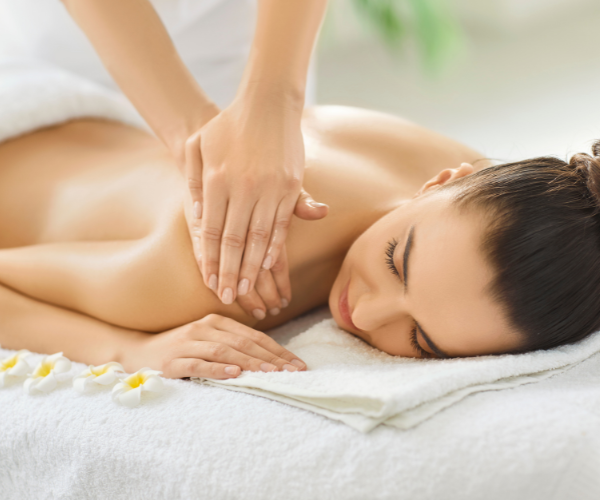
A session begins with an intake conversation to review your health history and confirm there are no contraindications. You will undress to your comfort level on a padded treatment table under secure, professional draping.
Unlike standard bodywork that begins where you feel tightness, lymphatic drainage always works from the center outward:
- Opening Central Gateways: The therapist starts by clearing the lymph node clusters around your collarbones (terminus) and neck using light, pulsing strokes. This ensures the primary drainage pathways are open to receive incoming fluid.
- Abdominal & Axillary Clearance: Deep breathing is paired with gentle compressions on the abdomen (cisterna chyli) and underarms to encourage central fluid movement.
- Peripheral Fluid Guidance: Moving to the extremities, the practitioner uses long, rhythmic, J-shaped skin stretches, working from the proximal area (closer to the body) down to the distal area (fingers or toes), gently guiding fluid upward toward open nodes.
- Closing the Loop: The sequence concludes with light strokes back at the neck and collarbone to complete systemic circulation.
To understand how regular spa care fits into a healthy routine, take a look at our guide on how regular spa visits can improve your life.
Preparing for Your Full Body Lymphatic Drainage Massage
To get the most out of your session:
- Hydrate Smartly: Drink several glasses of water throughout the day leading up to your appointment to support healthy fluid viscosity.
- Eat Lightly: Avoid large, heavy meals within two hours of your appointment, as abdominal drainage techniques require a comfortable stomach.
- Wear Loose Clothing: Choose soft, non-constricting garments so you do not impede lymph circulation on your trip home.
- Communicate Openly: Let your therapist know if you feel any pressure that exceeds a light skin stretch; lymphatic work should never be painful or leave bruises.
Safe At-Home Self-Drainage Techniques
You can easily incorporate basic lymphatic stimulation habits into your daily morning or evening routine:
- Diaphragmatic Belly Breathing: Place your hands on your lower abdomen. Inhale deeply through your nose, expanding your belly for four counts, then exhale slowly through your mouth for six counts. Repeat 5 to 10 times to stimulate deep lymphatic trunks.
- Collarbone Tapping & Pumping: Place flat fingers gently into the hollow depressions above your collarbones. Apply gentle, pulsing circular motions toward the center of your chest 10 to 15 times.
- Neck Skin Stretches: With flat palms on the sides of your neck below your ears, gently stretch the skin downward and inward toward your collarbones in soft J-shaped motions.
- Dry Brushing Before Showers: Using a natural-bristle brush, make light, upward strokes along your limbs toward your heart, working from hands to shoulders and feet to hips with minimal pressure.
- Legs-Up-the-Wall Rest: Lie on your back with your legs resting vertically against a wall for 10 minutes to let gravity naturally assist venous and lymphatic return from your lower body.
Frequently Asked Questions About Lymphatic Drainage
How often should you receive a lymphatic drainage massage?
Treatment frequency depends on your individual health needs. For post-operative recovery or acute swelling management under clinical supervision, sessions are often scheduled 1 to 2 times per week during the initial recovery phase, tapering down as swelling resolves. For general relaxation, mild fluid balance, and stress relief, a monthly or bi-monthly maintenance session is typically ideal.
What are the common side effects after treatment?
Because lymphatic massage mobilizes stagnant fluid into the bloodstream for filtration, common and completely normal post-session responses include:
- Increased Urination: As your kidneys process and excrete excess fluid, you will likely need to use the restroom more frequently over the next 12 to 24 hours.
- Mild Fatigue or Relaxation: The deep parasympathetic reset can leave you feeling ready for a restful nap.
- Temporary Lightheadedness: Gentle stimulation of neck receptors can cause a temporary, mild drop in blood pressure. Standing up slowly after your massage prevents dizziness.
- Increased Thirst: Staying hydrated with plenty of water after your treatment helps support natural fluid balance.
How do you find a certified lymphatic drainage therapist?
If you are seeking lymphatic drainage for a diagnosed medical condition like lymphedema, look for a Certified Lymphedema Therapist (CLT). CLTs are physical therapists, occupational therapists, or licensed massage therapists who have completed at least 135 hours of specialized, accredited training in Complete Decongestive Therapy. If you are seeking general wellness, relaxation, or gentle post-travel recovery, ensure your practitioner is a state-licensed massage therapist with verifiable coursework in manual lymphatic techniques.
Conclusion: Making Lymphatic Care Part of Your Wellness Routine
A full body lymphatic drainage massage is a proven, valuable therapy for managing lymphedema, easing post-operative swelling, and encouraging deep nervous system relaxation. While it won’t replace healthy nutrition for weight loss or substitute for your body’s natural liver and kidney functions, its gentle touch provides meaningful relief for persistent fluid retention and daily stress.
At Lang Ocean Spa Thai Bodywork, our mission is to support your wellness journey in Chicago with authentic, restorative bodywork tailored to your body’s unique needs. Whether you are looking to ease everyday muscle fatigue or create space for regular self-care, we invite you to explore our comprehensive wellness services and book your next session today.