Identifying Foot Pain Causes by Anatomical Location
An effective foot treatment protocol starts with pinpointing the exact source of pain, resting and icing inflamed tissues, rolling the arches over a tennis ball, and soothing soreness with warm Epsom salt soaks. Pairing daily hygiene and wide-toe-box footwear with targeted stretching eases everyday strain, while stubborn pain or fungal infections benefit from custom orthotics and clinical medical care.
Our feet carry the entire weight of our bodies through thousands of steps every single day. When pain strikes, it is easy to assume it is just general fatigue, but discomfort in the foot is almost always tied to a specific anatomical structure under mechanical strain. Factors like walking mechanics, high-impact workouts, unsupportive footwear, and carrying extra body weight (such as a body mass index, or BMI, of 30 or higher) place immense pressure on the joints, ligaments, and tendons of the lower extremities.
To find the most effective solution, you must first pinpoint where the irritation originates.
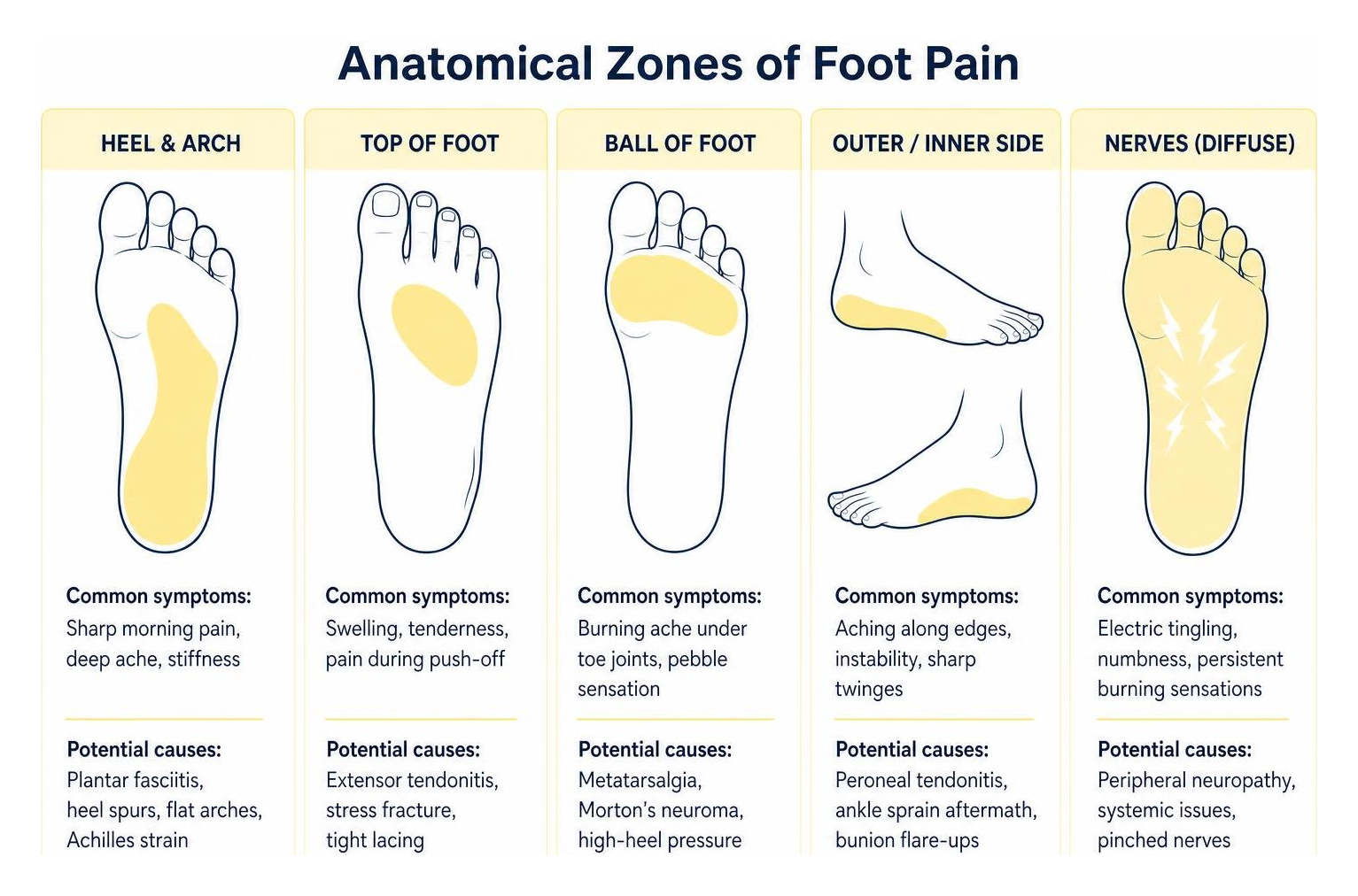
| Foot Pain Location | Common Symptoms | Potential Root Causes | Immediate Action |
|---|---|---|---|
| Heel & Arch | Sharp morning pain, deep ache along the sole, stiffness | Plantar fasciitis, heel spurs, flat arches, Achilles strain | Gentle calf stretches, supportive arches, tennis ball rolling |
| Top of Foot | Swelling, localized tenderness, pain during push-off | Extensor tendonitis, stress fracture, overly tight lacing | Loosen laces, ice, rest, switch to cushioned footwear |
| Ball of Foot | Burning ache beneath toe joints, sensation of a pebble in the shoe | Metatarsalgia, Morton’s neuroma, high-heel pressure | Metatarsal pads, wide toe box footwear, rest |
| Outer/Inner Side | Aching along edges, instability, sharp twinges | Peroneal tendonitis, ankle sprain aftermath, bunion flare-ups | Ankle stabilization, ice, supportive orthotic inserts |
| Toes & Nails | Throbbing, localized redness, burning between digits | Ingrown toenails, athlete’s foot, bunions, hammertoes | Proper nail trimming, antifungal topicals, wide toe boxes |
| Diffuse / Nerve | Electric tingling, numbness, persistent burning sensations | Peripheral neuropathy, systemic issues, pinched nerves | Gentle Epsom soaks, medical evaluation, blood sugar checks |
Heel and Arch Pain (Plantar Fasciitis and Tendinopathy)
Heel pain is the single most common lower-extremity complaint we encounter, and plantar fasciitis is frequently the culprit. The plantar fascia is a thick band of connective tissue spanning the bottom of your foot, linking your heel bone directly to your toes. When overloaded by excessive walking, prolonged standing, or unsupportive shoes, tiny micro-tears develop along the tissue, sparking inflammation.
Classic signs include a stabbing sensation right under the heel during your first steps out of bed in the morning or after prolonged sitting. As you walk, the tissue warms up and the pain dulls, only to return after long periods on your feet. When the strain extends toward the back of the heel, the Achilles tendon is often involved, creating tight morning stiffness and localized tenderness along the back of the ankle.
Top, Ball, and Side Foot Strain
Pain across the upper surface and ball of the foot often stems from friction, compression, or sudden increases in physical activity:
- Metatarsalgia & Morton’s Neuroma: Walking on hard surfaces or wearing narrow, pointed shoes places excessive pressure on the metatarsal heads (the ball of the foot). If a nerve running between the metatarsal bones becomes irritated and thickens, it can cause Morton’s neuroma, giving you that uncomfortable feeling of standing on a folded sock or a small pebble.
- Top-of-Foot Tendonitis & Stress Fractures: Repetitive high-impact exercise or tying shoe laces too tightly across the instep can inflame the extensor tendons. If swelling is accompanied by sharp, localized pain on a specific bone, a minor stress fracture may be present.
- Side Strain and Bunions: Walking on uneven surfaces can strain the peroneal tendons along the outer edge. Meanwhile, narrow shoes force the big toe inward, aggravating bunions along the inner side and throwing off your natural gait.
Nerve Pain and Diabetic Foot Considerations
Nerve-related discomfort feels distinctly different from standard muscular soreness. Instead of a dull ache, nerve compression or irritation typically manifests as tingling, electric jolts, numbness, or a burning sensation across the soles and toes.
For anyone managing diabetes, foot health requires heightened vigilance. Diabetes damages peripheral nerves and impairs microvascular blood circulation, meaning you might not feel minor cuts, blisters, or pressure points. What starts as a small friction blister from snug footwear can quietly progress into a deep, slow-healing diabetic ulcer if left unnoticed. Routine visual inspections and proactive care—such as learning What Causes Fungus Under Toenails And How to Fix It—are vital steps in preventing bacterial and fungal infections from taking hold.
At-Home Foot Treatment Protocols for Everyday Relief
When day-to-day strain leaves your feet aching, you do not always need complex equipment to find relief. A consistent routine of evidence-based home therapies can alleviate localized inflammation, increase circulation, and soothe tight plantar tissues.
Rest, Ice, Elevation, and Tennis Ball Massage
For acute flare-ups and general end-of-day fatigue, returning to fundamental recovery principles works wonders:
- The R.I.C.E. Approach: Rest your feet by taking breaks from high-impact activities. Apply an ice pack wrapped in a cloth to inflamed zones for 15 minutes at a time to reduce swelling. If your muscles feel tight and achy rather than acutely swollen, gentle warmth can help relax stiff fibers.
- Elevation: Prop your feet up on pillows above heart level when resting on the couch. This assists venous return, quickly draining stagnant fluid and easing that heavy, throbbing sensation.
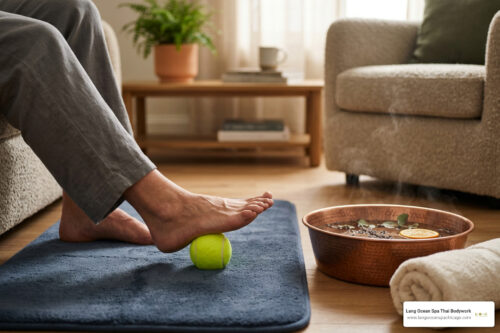
- Tennis Ball Self-Massage: Place a tennis ball under the arch of your foot while seated. Gently roll the ball from the base of your heel forward to the ball of your foot, applying comfortable, moderate pressure. This simple motion breaks up adhesions in the plantar fascia, stretches the intrinsic foot muscles, and boosts local blood flow.
- Epsom Salt Soaks: Submerge your feet in a basin of warm water with half a cup of Epsom salt for 20 minutes. The soothing soak calms nerve receptors and softens rough skin. Making time for these simple rituals is one of the easiest ways to adopt Essential Self Care Tips For Making Wellness A Priority without overcomplicating your evening schedule.
Daily Hygiene and Essential Foot Treatment Routines
Good foot health begins with daily habits that stop bacterial and fungal growth before it starts:
- Wash and Dry Thoroughly: Wash your feet daily with warm water and mild soap. When you step out of the shower, take an extra 30 seconds to thoroughly dry the skin between every single toe. Trapped moisture is the primary breeding ground for fungal spores.
- Smart Sock and Shoe Rotation: Change your socks at least once every day—or immediately after a sweaty workout. Choose breathable socks made from moisture-wicking blends or natural cotton. Avoid wearing the same pair of shoes two days in a row; give your footwear a full 24 hours in a well-ventilated space to dry out completely.
- Toe Box Freedom: Choose everyday shoes with a wide toe box that allows your toes to splay naturally. When your toes are squished together, friction escalates, skin breaks down, and blisters form.
Medical and Clinical Interventions for Persistent Foot Disorders

While at-home routines handle routine fatigue, structural issues and stubborn infections require clinical diagnosis and targeted medical interventions. Lower extremity specialists, such as those at Lincoln Park Podiatry, Streeterville Center Chicago, IL: Podiatrists, Chicago Foot Specialists, and Midwest Foot & Ankle, use specialized diagnostic tools to correct biomechanical imbalances and resolve chronic pain.
Managing Fungal Infections and Athlete’s Foot
Athlete’s foot (tinea pedis) is a contagious fungal infection that thrives in dark, warm, and damp environments. It often presents with red, peeling, cracked skin and an intense, burning itch along the soles or between the toes.
- Over-the-Counter Options: Mild cases respond well to topical antifungals such as terbinafine (Lamisil AT), clotrimazole, or miconazole applied twice daily. Clinical studies show terbinafine is particularly effective at clearing fungal colonies.
- Application Duration: It typically takes 2 to 4 weeks to see full results. A crucial rule of thumb: continue applying your antifungal treatment for at least one full week after visible signs of the rash have cleared to ensure dormant spores do not spark a recurrence.
- Prescription Care: If over-the-counter options fail, a podiatrist or dermatologist can take a skin scraping to confirm the organism and prescribe stronger topical options (like ciclopirox or econazole) or oral antifungal tablets (such as oral terbinafine or itraconazole).
Evidence-Based Foot Treatment Options and Orthotics
When chronic plantar fasciitis, tendonitis, or joint pain refuses to budge, medical guidelines point to several proven therapies:
- NSAIDs for Acute Sprains: For acute ligament trauma and sudden ankle sprains, nonsteroidal anti-inflammatory drugs (NSAIDs) are strongly recommended (Evidence Level A) to control early pain and swelling during initial rehabilitation.
- Custom Functional Orthotics: Unlike generic off-the-shelf gel inserts, custom-molded orthotics are fabricated to match your foot’s exact contours and gait dynamics. They redistribute plantar pressure, correct overpronation, and offload strained ligaments.
- Extracorporeal Shockwave Therapy (ESWT): For chronic, non-responsive plantar fasciitis that persists past six months, shockwave therapy delivers acoustic pulses to stimulate local healing responses in stubborn scar tissue.
- Physical Therapy & Targeted Loading: Guided eccentric loading exercises for the Achilles tendon and targeted calf stretches help restore tissue elasticity, rebuilding stability from the ground up.
Salon and Wellness Care: Safe Spa Practices vs. Risky Trends

There is a distinct difference between medical podiatry and restorative salon bodywork. While clinical doctors correct structural pathology, professional wellness spaces focus on stress relief, circulation, and soft-tissue relaxation.
Therapeutic Massage and Restorative Bodywork
In traditional bodywork systems, the feet are viewed as a foundational map for the entire body’s energy pathways. Incorporating regular foot bodywork delivers profound physical and mental benefits:
- Relieving Deep Fascial Tension: Specialized thumb-pressure techniques, gentle foot stretches, and targeted friction release chronic tension across the arches, heels, and ankles.
- Enhancing Microcirculation: Rhythmic compression encourages oxygenated blood to flow into tired lower extremity muscles, clearing metabolic waste and reducing swelling from long hours on your feet.
- Holistic Stress Reduction: Foot reflexology triggers the parasympathetic nervous system, lowering cortisol and encouraging whole-body relaxation. To explore how restorative touch fits into your routine, discover our approach to Wellness And Healing and read more about How Regular Spa Visits Can Improve Your Life.
Understanding the Risks of Fish Pedicures and Unsanitized Salons
While pampering your feet is wonderful, safety and sanitation should always come first. Some beauty trends carry serious health hazards—most notably, fish pedicures.
In a fish pedicure, clients submerge their feet in water tubs containing Garra rufa (often called “doctor fish”), which nibble away dead skin cells. However, public health authorities and regulatory agencies have raised major concerns:
- Sanitation Impossibility: Living fish and communal water basins cannot be sanitized or disinfected between clients. If a customer with an open cut or fungal infection uses the tub, pathogens remain suspended in the water, exposing the next person to bacterial infections like Mycobacterium marinum.
- Species Mislabeling: Salons have sometimes substituted Garra rufa with Chinese Chinchin fish, which develop teeth as they mature. These fish can puncture human skin, draw blood, and dramatically increase infection risks.
- Animal Welfare & Environmental Hazards: Garra rufa are often starved to force them to eat human skin, raising animal cruelty issues. Furthermore, if released, they pose an invasive species risk to native aquatic ecosystems. Because of these bio-sanitation hazards, numerous jurisdictions have outright banned fish pedicures.
To protect yourself at any salon or spa, always ensure the facility is properly licensed. Verify that all metal implements (like clippers and cuticle pushers) undergo medical-grade autoclave sterilization between clients, and confirm that foot basins are thoroughly scrubbed and sanitized with hospital-grade disinfectants.
Frequently Asked Questions About Foot Pain and Recovery
When should you see a doctor for foot pain?
You should schedule an appointment with a podiatrist or healthcare provider if your foot pain persists for more than two weeks despite resting and using home remedies. Seek immediate medical attention if you experience sudden, severe pain following an injury, cannot bear any weight on your foot, notice signs of infection (such as spreading redness, warmth, pus, or red streaks), or if you have diabetes and notice any break in the skin, numbness, or a non-healing sore.
How long does it take for athlete’s foot treatments to work?
Most over-the-counter and prescription topical antifungal medications take between 2 to 4 weeks to completely clear an athlete’s foot infection. It is critical to continue applying the topical cream or spray for an additional 7 days after all visible signs of peeling, redness, and itching have disappeared to eliminate any lingering fungal spores.
How can you stop foot soreness from standing all day?
To minimize foot fatigue during long standing shifts:
- Wear supportive footwear with cushioned soles, solid arch support, and a wide toe box.
- Use over-the-counter or custom orthotic shoe inserts to evenly distribute plantar pressure.
- Wear graduated compression socks to boost venous return and reduce lower-leg swelling.
- Take short seated breaks throughout your shift to elevate your feet.
- Roll your arches over a tennis ball when you get home and soak your feet in warm Epsom salt water for 20 minutes.
Conclusion
Healthy, pain-free feet are essential for daily mobility, athletic performance, and overall quality of life. By understanding the root causes of localized foot discomfort, practicing diligent daily hygiene, choosing supportive footwear, and knowing when to seek clinical evaluation, you can keep your feet feeling strong and resilient.
At Lang Ocean Spa Thai Bodywork, we believe that proactive body care is the foundation of long-term vitality. Whether you need to soothe tired arches after a busy week or want to melt away full-body tension, explore our comprehensive spa services to experience the restorative benefits of authentic Thai bodywork firsthand. Take care of your feet today so they can carry you comfortably wherever you want to go tomorrow.