What Is Cupping Therapy and How Does It Work?
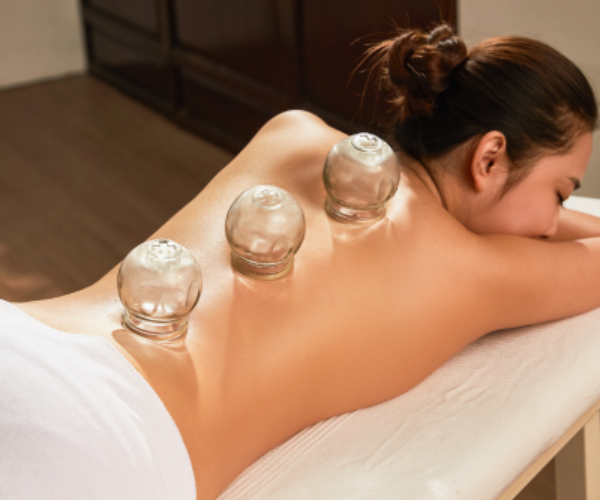
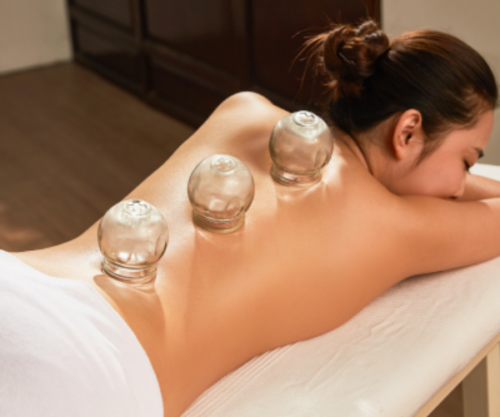
Cupping therapy is an ancient modality that utilizes localized negative pressure—suction—to pull skin, superficial fascia, and muscle tissue upward into specialized cups. Rather than applying downward compression like traditional Swedish or deep-tissue massage, cupping operates through mechanical decompression.
The practice has deep roots across global healing traditions, with historical documentation dating back roughly 5,500 years to early Egyptian and Macedonian societies. The Egyptian Ebers Papyrus (written around 1550 BCE) detailed systemic suction treatments for fever and pain, while the Greek physician Hippocrates outlined specialized cup shapes designed either to drain deep fluid accumulations or spread tense tissue. Parallel developments flourished in Traditional Chinese Medicine (TCM), where cups were placed along meridian pathways to stimulate stagnant Qi (vital energy) and blood flow, as well as in Arabic and Unani medical systems.
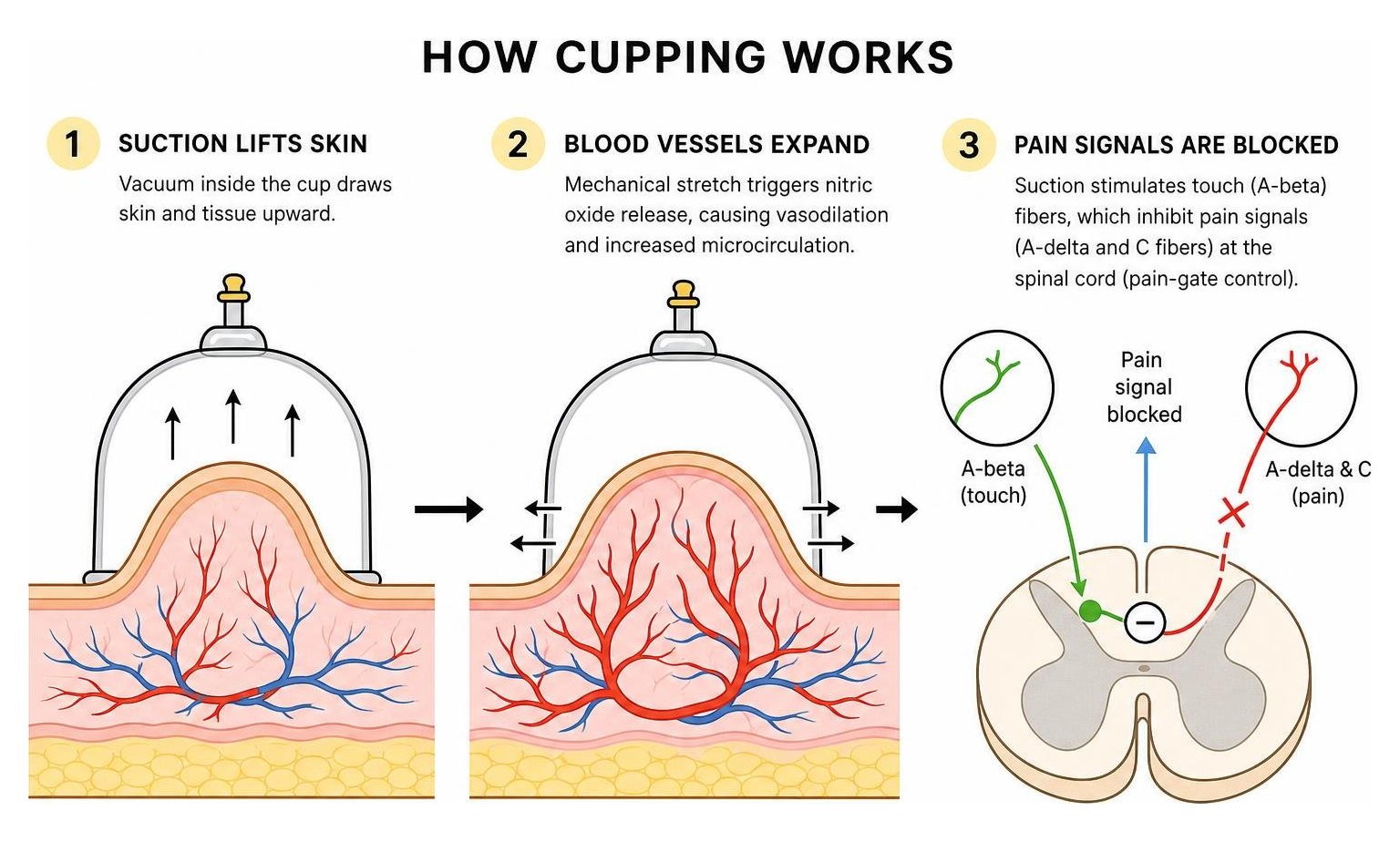
From a contemporary biological perspective, cupping relies on subatmospheric pressure inside the cup cavity. When this vacuum draws the skin upward, several physiological reactions take place (NBK538253):
- Microvascular Dilation and Nitric Oxide Release: The mechanical stretch stimulates endothelial cells to release nitric oxide (NO). This molecule signals surrounding vascular smooth muscle to relax, promoting vasodilation and enhancing local microcirculation.
- Capillary Fenestration and Microtrauma: Small, superficial capillaries undergo controlled, benign microtrauma, allowing red blood cells and metabolic byproducts to escape into the interstitial space (the reason behind the characteristic round marks).
- Pain-Gate Modulation: Suction stimulates large-diameter A-beta sensory nerve fibers. According to Melzack and Wall’s pain-gate theory, activating these tactile fibers inhibits the transmission of slower pain signals (carried by C and A-delta fibers) at the dorsal horn of the spinal cord.
- Diffuse Noxious Inhibitory Control (DNIC): The localized counter-irritation activates descending central pain-inhibition pathways, raising the body’s overall pain threshold.
As detailed in clinical literature like this overview from a modern medicine perspective, cupping triggers a neuroendocrine-immune cascade that helps decrease local tissue stiffness while stimulating lymphatic drainage.
Main Types of Cupping Therapy: Dry, Wet, and Fire Methods
Cupping is not a one-size-fits-all practice. Practitioners utilize several distinct techniques based on a client’s comfort level, clinical goals, and skin sensitivity.
- Dry Cupping: The most common approach in modern wellness centers and spas. Cups made of glass, plastic, or medical-grade silicone are placed on clean, intact skin. A vacuum is created either mechanically using a handheld manual suction pump or via silicone deformation. The skin remains completely unbroken.
- Fire Cupping: A traditional technique where a practitioner briefly places an open flame (typically a cotton ball soaked in pure alcohol held with forceps) inside a glass cup to consume the oxygen and expand the air. The flame is removed, and the cup is immediately set against the skin. As the remaining air cools, it contracts, generating smooth, consistent suction.
- Moving (Running or Massage) Cupping: A dynamic variation of dry cupping. The therapist applies massage oil to the back or limbs, applies mild suction with a silicone or glass cup, and glides it smoothly along tense muscle bands and fascial planes.
- Wet Cupping (Hijama): A specialized traditional procedure involving a two-step process. First, mild dry suction is applied to draw fluid to the area. The cup is removed, superficial micro-incisions are made on the outer layer of skin with a sterile, single-use blade, and the cup is reapplied to draw out small amounts of interstitial fluid and capillary blood. Wet cupping requires strict biohazard and sterile clinical protocols.
- Flash (Empty) Cupping: Rapid, repeated application and removal of cups over an area with medium-to-strong suction, designed to stimulate local circulation without leaving deep marks.
| Cupping Method | Suction Mechanism | Skin Barrier Integrity | Typical Setting & Purpose |
|---|---|---|---|
| Dry Cupping | Manual pump, silicone squeeze, or electric pump | Completely intact (non-invasive) | Spas and wellness centers for muscle tension and recovery |
| Moving Cupping | Mild suction combined with skin oils | Completely intact | Massage clinics for myofascial release and fluid mobility |
| Fire Cupping | Thermal oxygen depletion within glass cups | Completely intact | Traditional bodywork clinics for warming and tension relief |
| Wet Cupping (Hijama) | Suction paired with superficial dermal incisions | Pierced / non-intact | Clinical and traditional medical practices for systemic metabolic support |
Health Benefits and Scientific Evidence for Suction Treatments
While cupping is celebrated across cultures as a restorative practice, modern researchers continue to evaluate its clinical efficacy. Current systematic reviews indicate that cupping exhibits measurable, modest-to-moderate short-term benefits for musculoskeletal pain, though researchers emphasize that larger, blinded clinical trials are still needed to establish long-term physiological outcomes.
The primary researched indications include:
- Musculoskeletal Pain Relief: Meta-analyses show dry cupping can reduce chronic lower back and neck pain scores by roughly 30% compared to baseline. By mechanically decompressing the thoracolumbar fascia and paraspinal muscles, the treatment alleviates resting muscle tone and improves range of motion.
- Headache and Migraine Frequency: Clinical studies on wet cupping protocols report notable outcomes for chronic tension and vascular headaches, showing an average reduction in headache severity of up to 66% and a decrease of approximately 12.6 headache days per month. You can explore our detailed breakdown of cupping for headaches relief to see how microvascular decompression influences cranial pain pathways.
- Myofascial Decompression for Athletes: Elite performers utilize cupping to loosen dense soft tissue restrictions. Unlike standard compressive massage, lifting the superficial fascia creates space between adhered sliding surfaces, easing post-workout tightness.
- Stress Relief and Systemic Relaxation: The warmth and rhythmic application of moving cupping stimulate parasympathetic nervous activity, helping down-regulate elevated sympathetic tone.
Medical institutions—such as this Cleveland Clinic clinical overview—emphasize that suction treatments function best as an adjunct, complementary therapy rather than a standalone cure for underlying medical conditions. When integrated thoughtfully into broader routines for holistic wellness and healing, cupping serves as a gentle, non-pharmacological tool to help manage everyday physical strain.
Safety, Side Effects, and Contraindications
Cupping is generally considered low-risk when performed by a well-trained, ethical practitioner who adheres to strict sanitation and assessment protocols (NBK538253). However, because it exerts significant mechanical force on the vascular system and skin, it is not suitable for everyone.
According to public health and NCCIH safety guidelines, the primary contraindications include:
- Bleeding and Coagulation Disorders: Individuals with hemophilia, idiopathic thrombocytopenic purpura, or those taking prescription anticoagulant/antiplatelet medications (such as warfarin or clopidogrel) should strictly avoid cupping due to high hematoma and hemorrhage risks.
- Cardiovascular Instability: Patients with active deep vein thrombosis (DVT), severe hypertension, peripheral vascular disease, or implanted electronic devices like pacemakers.
- Compromised Skin Integrity: Never place cups over active eczema, psoriasis, open wounds, sunburns, skin ulcers, bone fractures, or varicose veins.
- Pregnancy: Cupping is contraindicated over the lower abdomen, lumbar spine, and sacral regions during pregnancy, as well as over specific acupuncture trigger points linked to uterine contraction.
- Severe Systemic Illness: Active cancer, severe anemia, acute kidney or heart failure, and unmanaged epilepsy require medical clearance before any bodywork is considered.
Potential Side Effects and Safety in Cupping Therapy
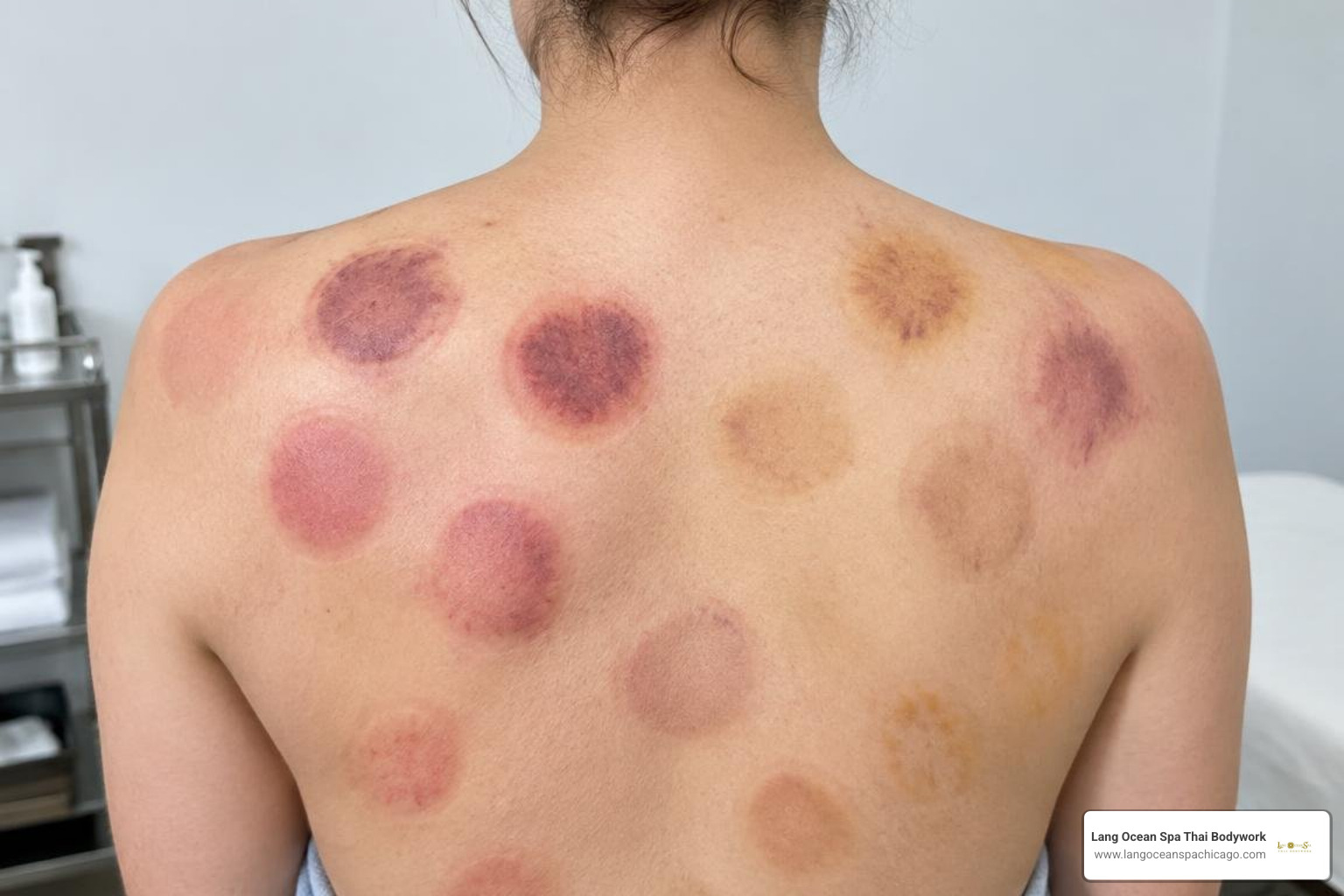
The most frequent side effect of cupping is benign circular discoloration, clinically referred to as ecchymosis or petechiae. Because suction draws red blood cells into the interstitial tissue, clients will typically see red, deep purple, or brownish rings. These marks are not structural impact bruises—they do not represent damaged muscle fibers. Cupping marks typically fade over time and gradually disappear within 1 to 10 days after the treatment.
Other mild, transient side effects can include:
- Mild localized tenderness or skin tightness over the treated zones
- Temporary fatigue as the body processes released cellular fluids
- Mild vasovagal lightheadedness or dizziness (preventable by remaining hydrated and rising slowly after treatment)
Distinguishing Cupping Marks from Physical Trauma: Because cupping marks present as distinct, symmetrical, circular rings (often grouped neatly along the paraspinal muscles), they possess clear morphological differences from random, irregular impact contusions. In educational, legal, and pediatric settings, clinicians emphasize accurate documentation of bodywork histories to ensure these circular healing marks are not misinterpreted as signs of physical abuse.
What to Expect During a Session
If you are scheduling your first appointment, knowing the basic sequence of care removes any mystery and allows you to relax fully.
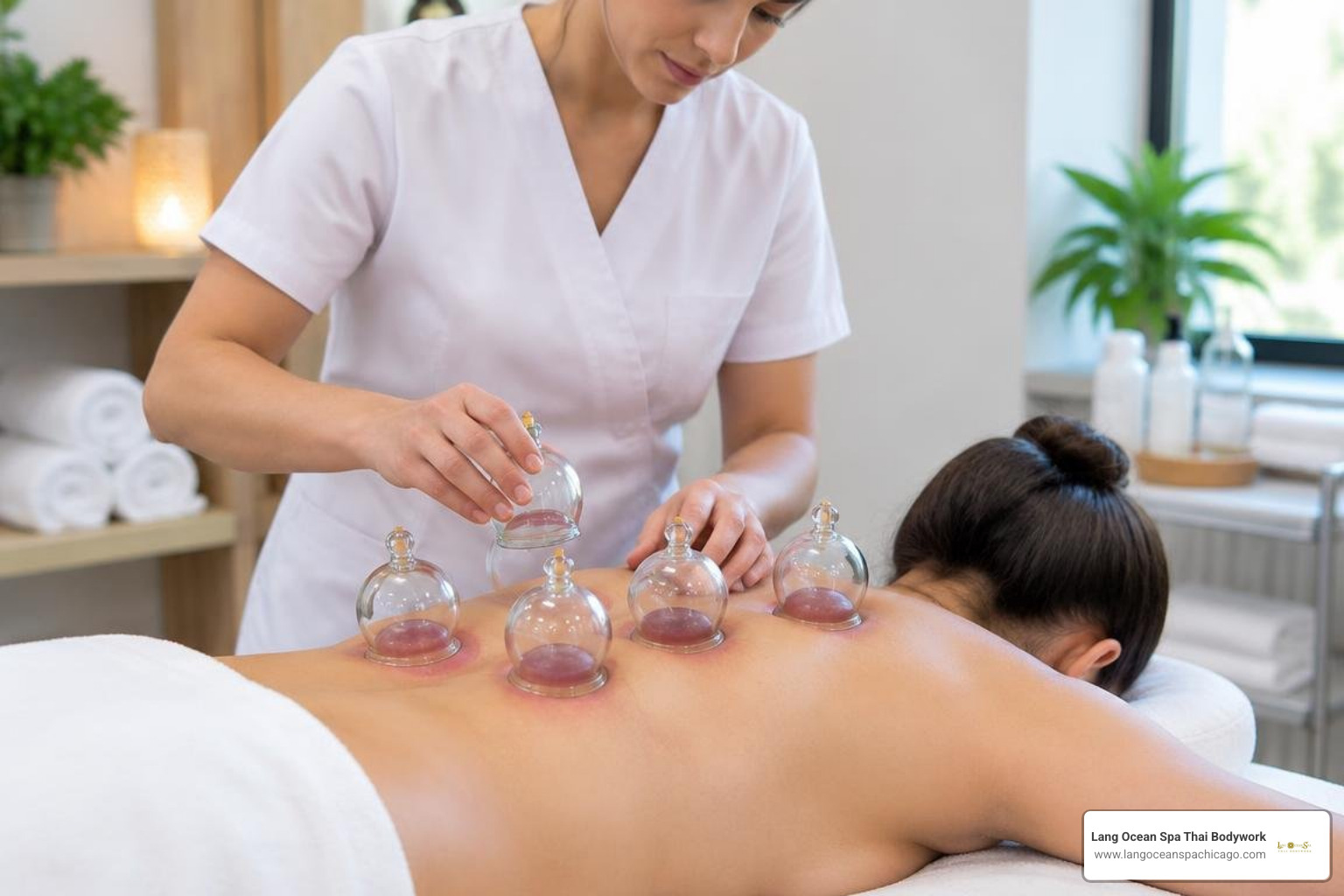
- Intake and Assessment: A professional therapist reviews your health intake form, screening for contraindications and discussing your specific areas of tightness (such as the upper traps, shoulders, or lower back).
- Skin Preparation: You will lie comfortably on a padded massage table. The therapist cleans the skin and, if using moving techniques, applies a light layer of natural botanical oil.
- Cup Placement and Suction: On average, providers use between three and five cups, though they might use up to seven. It’s uncommon to get more than seven cups in a single treatment. The therapist adjusts the suction level to match your comfort.
- Treatment Duration: Cups should be left on the skin for a maximum of 5 to 10 minutes during a cupping therapy session. Leaving them in place longer offers no additional benefit and unnecessarily strains the skin.
- Removal and Soothing: The practitioner gently breaks the vacuum seal, cleanses away any remaining oils, and lightly massages the tissue to restore equilibrium.
- Aftercare: After your session, drink plenty of water, keep the treated areas covered and protected from direct cold air or intense drafts, and avoid vigorous exercise or hot tubs for 24 hours.
Frequently Asked Questions About Cup Bodywork
Does the suction process hurt?
Cupping is generally not painful. Most clients describe the sensation as a firm, warm pulling or stretching pressure around the skin and superficial muscles. While areas with dense fascial adhesions might feel slightly tight or tender during the first two minutes, your therapist can easily adjust the vacuum level at any time to keep the experience deeply relaxing.
How long do the circular marks stay on the skin?
The circular marks left by cupping usually resolve within 1 to 10 days, depending on your individual lymphatic drainage, cellular turnover, and the level of suction applied. Staying hydrated and engaging in light walking helps support circulation and encourages the marks to clear naturally.
Who should avoid suction treatments?
You should avoid cupping if you take prescription blood thinners, have active bleeding disorders, suffer from severe anemia, have open cuts or skin rashes in the treatment area, or have unmanaged cardiovascular conditions. If you are pregnant or managing a chronic medical condition, consult your physician before scheduling bodywork.
Conclusion
Cupping therapy bridges thousands of years of traditional healing with modern therapeutic understanding. By utilizing gentle, controlled decompression rather than downward pressure, it offers a refreshing way to ease persistent muscular tightness, enhance microcirculation, and encourage myofascial release.
Whether you are an active athlete recovering from training or simply carrying the physical stress of long days at a desk, cupping works exceptionally well alongside traditional bodywork. At Lang Ocean Spa Thai Bodywork, we provide an authentic, serene environment in Chicago where you can experience the restorative benefits of traditional therapies tailored directly to your body’s needs.
If you are ready to relieve tension and refresh your muscle recovery, explore our range of professional spa bodywork services and book your session today.