The Origins and Energy Foundations of Traditional Thai Foot Massage
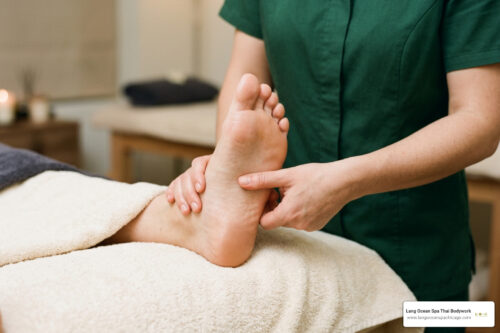
Traditional Thai foot massage is a holistic therapeutic bodywork modality that combines acupressure, lower leg massage, and dynamic stretching using hands, thumbs, and a specialized wooden stick. By methodically working reflex zones on the feet and ascending along the calves, it relieves muscular tension, improves circulation, and restores whole-body energetic balance.
Known natively in Thailand as Nuad Tao, Thai foot therapy is far more than a modern spa indulgence. It is a cornerstone discipline within Traditional Thai Medicine, developed over 2,500 years ago.
The historical roots of this art trace back to the legendary physician Jīvaka Komarabhacca (often referred to in Thai tradition as Shivaga Komarpaj), who was an associate of the Buddha and the personal physician to the Magadha King Bimbisara. As Buddhist monks and Ayurvedic practitioners traveled across Asia, they brought holistic healing traditions with them, integrating Indian Ayurvedic wisdom with indigenous Thai therapies and Chinese medical philosophies.
For centuries, these techniques were passed down orally in temple settings—most notably at Wat Pho in Bangkok, widely recognized as the historical center for traditional medicine and massage education. Ancient stone inscriptions carved into the temple walls still illustrate the precise anatomical energy points and therapeutic postures used today.
Recognizing its immense cultural significance and enduring health benefits, UNESCO formally inscribed Traditional Thai massage onto its Representative List of the Intangible Cultural Heritage of Humanity in 2019. When you sit back for a session, you are engaging with a living heritage refined across generations.
Understanding Sen Energy Lines in Traditional Thai Foot Massage
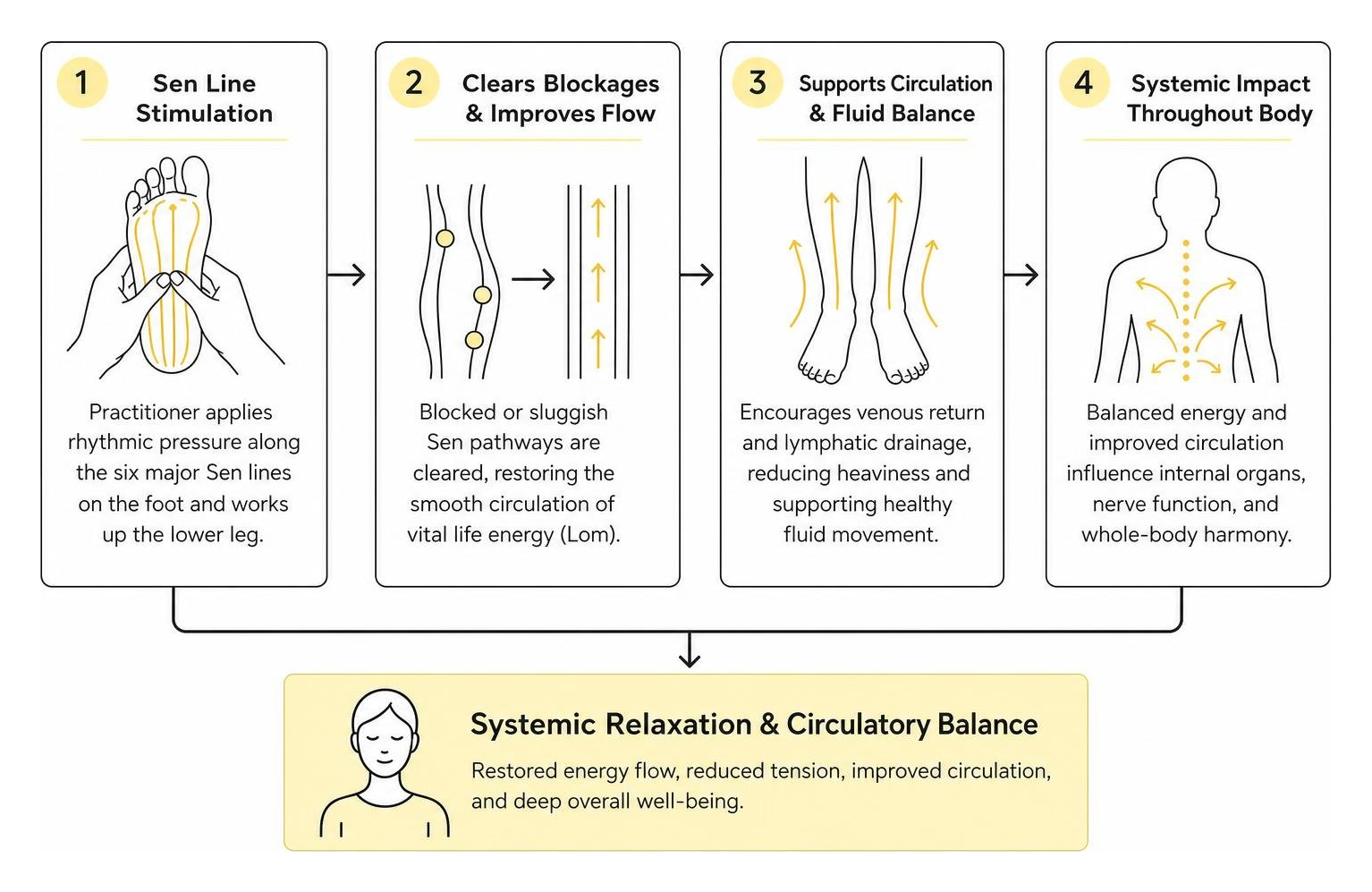
At the heart of traditional Thai healing lies the concept of vital life energy, often called Lom (similar to Prana in Ayurveda or Qi in Traditional Chinese Medicine). This subtle life force circulates through an intricate network of invisible pathways known as Sen energy lines.
Traditional theory outlines 72,000 Sen lines permeating the human form, with ten primary pathways—the Sen Sib—holding supreme therapeutic importance. Six of these major Sen lines travel down the legs and terminate directly in the feet:
- Sen Itha and Sen Pingkhla: Running along the inner and outer legs, these channels are linked to the autonomic nervous system, mental calm, and spinal health.
- Sen Sumana: Originating near the navel and traveling through the chest and extremities, influencing respiration, speech, and core vitality.
- Sen Kalathari: Branching across the limbs, controlling motor function, joint mobility, and systemic fluid circulation.
- Sen Sahatsaransi and Sen Tawari: Flowing directly down the lower legs to the feet, strongly influencing sensory organs, digestion, and systemic elimination.
When stress, physical strain, poor posture, or emotional tension arise, these pathways can become blocked or sluggish, leading to discomfort, heavy legs, and fatigue. By methodically applying pressure along these energy channels—and working upward on the lower leg to support venous return—a practitioner clears systemic blockages, restores fluid balance, and encourages deep physiological harmony.
Thai Foot Massage vs. Western Reflexology: Key Distinctions
While both practices focus on the feet to promote holistic balance, significant differences exist between traditional Thai foot therapy and Western reflexology. Western reflexology, developed largely in the early twentieth century by Dr. William Fitzgerald and Eunice Ingham, operates on the principle that specific micro-reflex points on the foot sole correspond directly to specific internal organs via the nervous system.
Thai foot therapy incorporates these reflex points but takes a broader, dynamic approach. It treats the entire lower extremity—encompassing the sole, toes, arch, ankle joint, Achilles tendon, shin, and calf musculature. Furthermore, Thai bodywork incorporates specialized wooden tools, dynamic movement, and assisted stretches reminiscent of yoga.
| Feature | Traditional Thai Foot Massage | Western Reflexology |
|---|---|---|
| Primary Scope | Foot, ankle, Achilles, shin, and calf up to the knee | Sole, sides, and top of the foot exclusively |
| Energy System | Eastern Sen energy lines and Lom (vital wind) flow | Western neurological reflex zones and zone therapy |
| Tools Used | Hands, thumbs, knuckles, and a carved teak massage stick | Hands, thumbs, and fingers exclusively |
| Technique Variety | Acupressure, kneading, deep sliding strokes, and joint stretches | Micropressure, thumb-walking, and point holding |
| Use of Mediums | Cooling herbal balms, essential oils, or dry compression | Typically dry, or minimal lotion/powder |
| Musculoskeletal Focus | High (relieves muscular knots in calves, arches, and shins) | Moderate (primarily targets organic and neurological reflexes) |
As noted in extensive studies on Thai Foot Reflexology | Benefits, History, and Techniques, the inclusion of calf kneading, ankle mobilization, and wooden tool application gives Thai foot therapy an invigorating, multi-layered physical dynamic that addresses muscle tightness alongside energetic balance.
Oil-Based vs. Oil-Free Techniques
Thai foot therapy can be adapted using either oil-based or oil-free methods, depending on the setting and therapeutic goals.
- Oil-Based & Herbal Balm Therapy: In a dedicated spa setting, therapists often blend natural carrier oils with traditional Thai warming balms containing camphor, menthol, eucalyptus, or plai. This combination allows for smooth, continuous sliding strokes (sen tracing) along the calves and arches. The herbal properties help soothe tired muscles, improve localized blood flow, and hydrate the skin.
- Oil-Free (Dry) Therapy: Rooted in classical temple traditions and mobile practices, oil-free foot therapy is performed directly through clothing or over dry skin. Therapists utilize thumb pressure, palm compressions, and rhythmic rocking to release tension along the energy pathways without requiring slip. This approach is ideal for quick revitalization or for pairing with full-body treatments.
To learn more about tailored approaches for lower-limb wellness, explore our Step-by-Step Guide to Effective Foot Treatments.
Science-Backed Physical and Mental Health Benefits
Your feet are remarkable biomechanical structures. Consider these facts:
- One-quarter of all the bones in the human body are located in your feet.
- Each foot contains 33 joints, 107 ligaments, and 19 tendons and muscles.
- Up to 87 percent of people experience painful feet at some point in their lives.
- One-third of older adults suffer from chronic foot pain, stiffness, or aching feet.
- Running exerts up to five times your total body weight in pressure onto your foot structures with every stride.
Given this immense daily workload, therapeutic bodywork provides measurable physiological support.
The rhythmic compressions applied from the toes to the knees assist the vascular system, easing the workload on your heart by encouraging blood return from the extremities. Clients also find that this grounding therapy calms an overactive mind, making it an excellent practice for reducing stress and uncovering how Thai massage can help you to unwind after demanding weeks.
Clinical Evidence and Neuropathy Balance Support
Beyond general relaxation, modern medical research continues to validate the functional benefits of Thai foot bodywork. One area of focus is balance improvement and sensory recovery.
The plantar surface of the foot contains thousands of specialized mechanoreceptors that feed sensory data directly to the brain to control balance and gait. In conditions like Type-2 diabetic peripheral neuropathy, these nerve endings can become desensitized, leading to balance impairment and increased fall risk.
A landmark clinical study on Thai foot massage for diabetic neuropathy evaluated 60 patients suffering from peripheral nerve complications. The researchers discovered that:
- A single 30-minute session produced a statistically significant improvement in functional walking speed and balance, as measured by the Timed Up and Go (TUG) assessment ($p < 0.05$).
- A two-week intervention (3 sessions per week) yielded significant improvements in both the Timed Up and Go test and the One-Leg Stance (OLS) balance test ($p < 0.05$), alongside noticeable gains in foot range of motion.
By stimulating dormant sensory pathways and increasing microcirculation to the peripheral tissues, this modality provides valuable functional support for maintaining stability and mobility.
Complete Session Guide: Preparation to Aftercare
Whether you are seeking relief from city walking or unwinding after heavy athletic training, knowing how a session unfolds ensures you get the most out of your treatment.
Traditional foot therapy can take place in a deeply cushioned reclining chair or on a firm floor mat. To understand how floor-based bodywork deepens pressure leverage and structural stretching, read our guide on Beyond the Table: Everything You Need to Know About Thai Massage Mat Therapy.
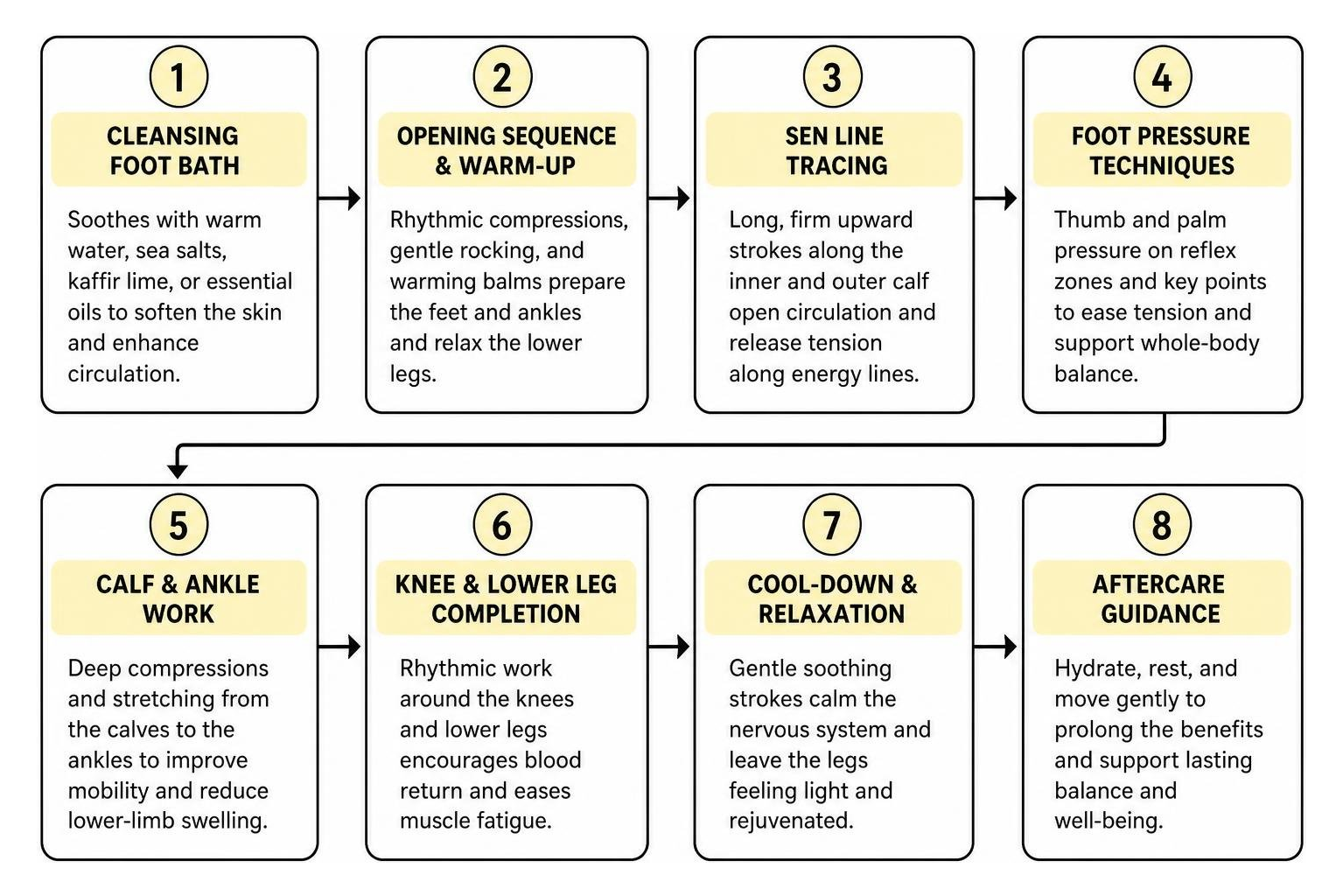
What to Expect During a Traditional Thai Foot Massage Session
- Cleansing Foot Bath: The journey begins with a warm foot bath, often infused with sea salts, kaffir lime, or essential oils. This softens the skin, increases resting circulation, and sets a tranquil tone.
- Opening Sequence and Warm-Up: You will rest comfortably in loose-fitting attire rolled above the knees. The therapist warms the foot and ankle using rhythmic compressions, gentle rocking, and warming balms.
- Sen Line Tracing: Using long, firm upward strokes, the therapist applies thumb and palm pressure along the energy lines of the inner and outer calf to open circulation and relieve tension.
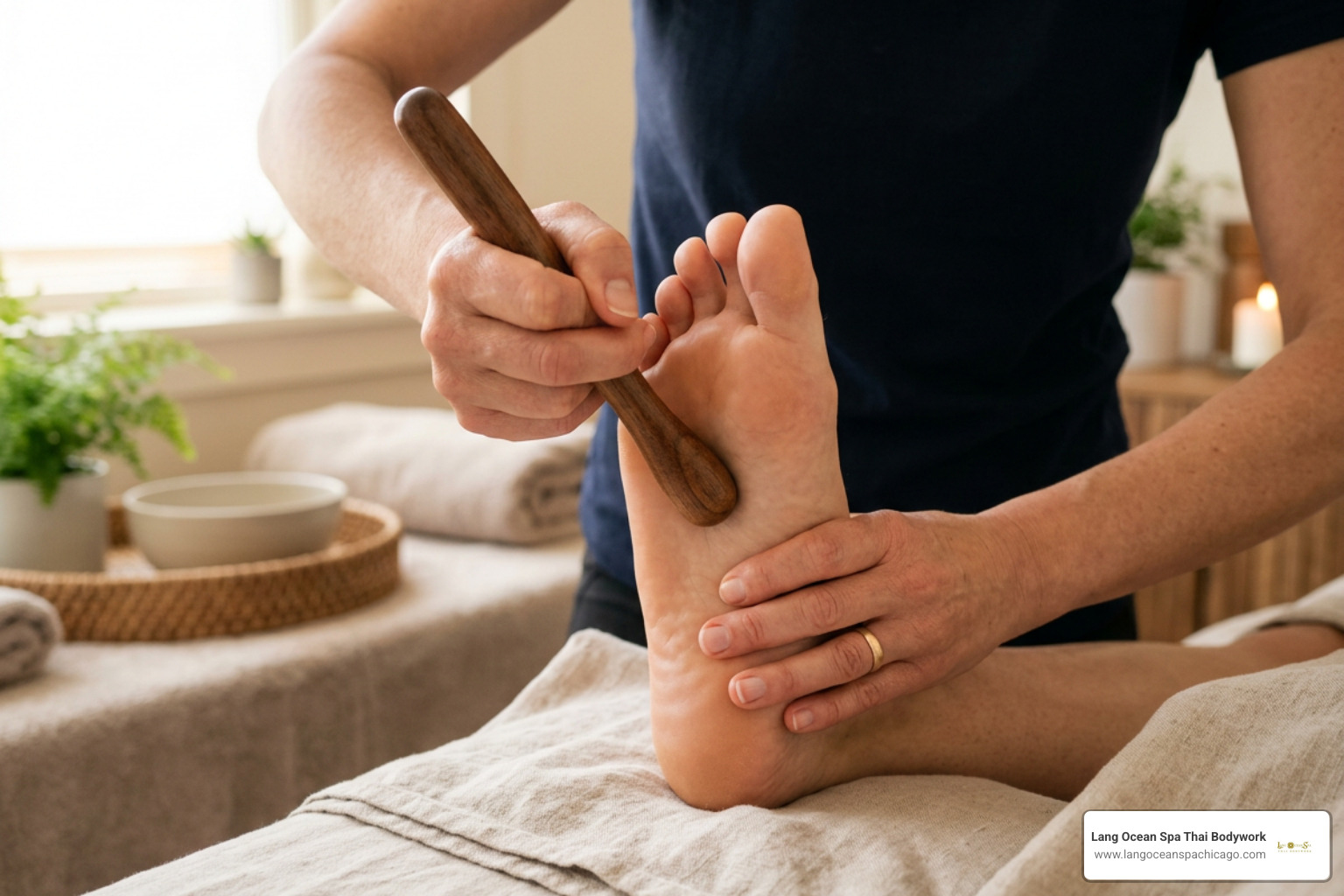
- Targeted Wooden Stick Acupressure: The practitioner introduces a rounded, smooth teak wood massage stick. Using this tool, precise pressure is applied to individual reflex points along the sole, arch, and heel. This allows for deeper, more concentrated stimulation than thumbs alone can achieve without bruising the surrounding muscle tissue.
- Joint Mobilization and Calf Kneading: The therapist gently rotates the ankle joint through its full range of motion, performs traction on the toes, and applies deep rolling strokes across the calf muscles to break up fascial adhesions.
- Closing Stretch: The treatment concludes with passive stretches for the hamstrings, calves, and feet, accompanied by light percussion to awaken the legs and leave you feeling revitalized.
Safety, Contraindications, and Post-Treatment Care
While Thai foot therapy is safe, non-invasive, and restorative for most individuals, certain health conditions require precautions or medical clearance:
- First Trimester of Pregnancy: Deep acupressure on specific reflex points (such as the spleen and bladder points around the ankles) should be avoided due to traditional associations with uterine stimulation.
- Deep Vein Thrombosis (DVT) or Severe Varicose Veins: Deep massage and intense pressure along the lower legs are contraindicated due to the risk of dislodging blood clots.
- Recent Fractures, Sprains, or Open Skin Lesions: Direct work on acute injuries, localized infections, or severe wounds must be avoided until tissue is fully healed.
- Uncontrolled Hypertension or Severe Cardiovascular Disease: Modalities that significantly alter venous return should be approached gently with medical approval.
Recommended Aftercare Practices:
- Hydrate Thoroughly: Drink plenty of water or herbal tea over the next 24 hours to assist the lymphatic system in processing metabolic waste.
- Rest and Integrate: Avoid intense athletic workouts immediately after your session; allow your nervous system time to settle.
- Observe the Body: Occasionally, clients experience a mild “healing crisis”—a temporary feeling of fatigue or light soreness as tight muscles and fascia adjust. This is normal and typically resolves within a day, leaving you feeling refreshed.
Frequently Asked Questions About Thai Foot Therapy
Does Thai foot massage hurt?
A traditional session should never cause sharp or agonizing pain. Certain reflex zones—particularly areas reflecting high tension like the arches or the base of the toes—may feel tender or sensitive during stick work. This sensation is often described as a “good hurt” that brings immediate relief once released. Always communicate with your therapist; pressure can be adjusted to match your personal comfort level.
How often should you get a Thai foot massage?
For active athletes, runners, or professionals who stand for long shifts (such as chefs, nurses, and retail workers), a weekly session provides effective relief against chronic tightness. For general stress reduction and wellness maintenance, scheduling a treatment every two to four weeks keeps the lower limbs flexible, light, and energized.
How do you choose a certified practitioner?
In Thailand, certified traditional massage practitioners must complete at least 800 hours of rigorous curriculum accredited by the Ministry of Public Health. In the United States, look for licensed massage therapists who have specialized certifications in traditional Thai bodywork and reflexology. Prioritize clean, tranquil studios that adhere to strict hygiene protocols and conduct comprehensive health consultations. For more insights on selecting top therapists, check our guide on Thai Massage 101: Spotting a Highly Experienced Masseuse Before You Book.
Conclusion
Your feet are the foundation of your daily posture, balance, and physical movement. When you care for your feet through traditional therapies, the benefits ripple outward—relieving tension in your calves, easing pressure on your lower back, and restoring a deep sense of mental equilibrium.
At Lang Ocean Spa Thai Bodywork, we bring the time-honored healing traditions of Thailand to Chicago. Whether you are walking the neighborhoods of River North, Lincoln Park, or Streeterville, our team is dedicated to providing authentic, restorative care tailored to your body’s unique rhythm.
Take a moment to give your feet the relief they deserve. Explore our complete selection of authentic Thai bodywork services and book your session with us today.